A château may give you a sweeping stone staircase, a chapel-like salon and the satisfying sense that your wedding has stepped into a European film. A villa can offer sun-warmed terraces, olive trees, relaxed breakfasts by the pool and a celebration that feels beautifully close to home. When weighing château versus villa wedding venues, the real question is not which is more luxurious. It is which setting expresses the way you want your guests to feel.
For couples drawn to destination celebrations, both can become an exquisite backdrop for a meaningful weekend. Yet they create very different rhythms. One tends towards grandeur, ceremony and architectural drama; the other often invites intimacy, ease and a more private kind of glamour. The most memorable choice will support your story, your guest list and the atmosphere you hope lingers long after the last dance.
Château versus villa wedding venues: begin with feeling
A château is rarely neutral. Whether it is a grand French estate, a Loire Valley manor or a softly weathered property in Provence, it arrives with history already held in its walls. High ceilings, formal gardens, antique fireplaces and long gravel drives lend themselves to a wedding with a sense of occasion. If you picture silk ribbons in the breeze, a string quartet for the ceremony and candlelight reflected in gilt-framed mirrors, a château gives those details room to breathe.
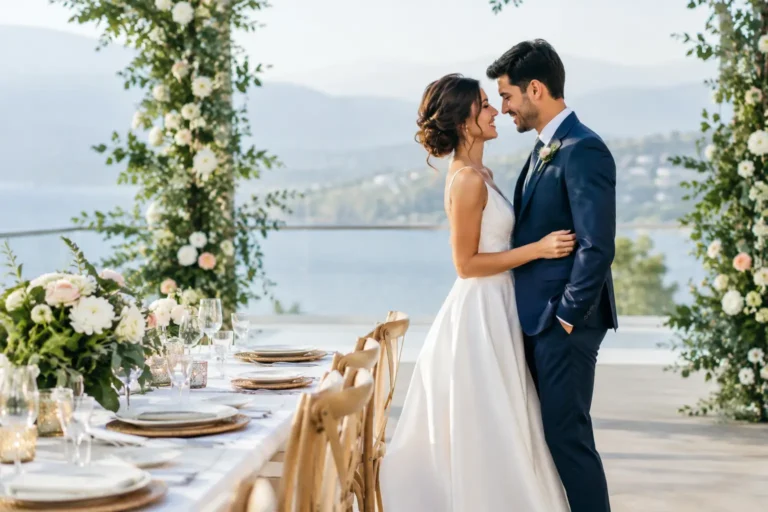
A villa is usually more immediate and inhabited in feeling. The scale is often gentler, even when the property is substantial. Guests may gather around a courtyard fountain before dinner, drift from a garden ceremony to aperitivo on the terrace, then linger beneath festoon lights after dark. It suits a wedding that feels considered but unforced, where the beauty comes from natural light, thoughtful tablescapes and the pleasure of being together in one place.
Neither is inherently more personal. A château can feel warm and intimate when the spaces are styled with restraint and the guest count is right for its rooms. Equally, a villa can feel theatrical when its setting is dramatic and the celebration is designed with confident scale. Start with a simple emotional prompt: do you want your guests to arrive with a sense of awe, or settle in with a sense of belonging?
Think about scale before style
The most persuasive venue photograph can conceal the practical reality of a day. A château may have several reception rooms, a dedicated ceremony space and broad grounds that allow each chapter of the wedding to unfold separately. This is ideal for larger guest lists or celebrations where you want a clear progression from welcome drinks to dinner, dancing and late-night moments. It also gives your photographer varied settings without needing to leave the estate.
That generous scale can create distance, however. If you are inviting 35 people to a château built to host 150, certain rooms may feel quiet unless your planner and florist use furniture, lighting and florals to shape intimacy. A smaller château, or a dinner held outdoors close to the house, can solve this beautifully.
Villas often excel at weddings of roughly 20 to 80 guests, although capacities vary widely. Their layouts encourage guests to cross paths naturally: someone slipping inside for a drink, another pausing by the pool, family gathering in the kitchen before the day begins. For a multi-day wedding, that easy movement can be invaluable. The celebration has fewer hard edges, and the venue feels less like a hired backdrop.
Before you fall for a floor plan, ask where each moment will happen in every likely weather condition. Consider the ceremony, cocktail hour, dinner, dancing, getting ready, quiet conversations and a late-night indoor option. A villa terrace may be magical at golden hour but restrictive for dinner if wind arrives. A château ballroom may be a reassuring rain plan, but it is worth seeing it set for the number of guests you actually have.
Architecture shapes your design language
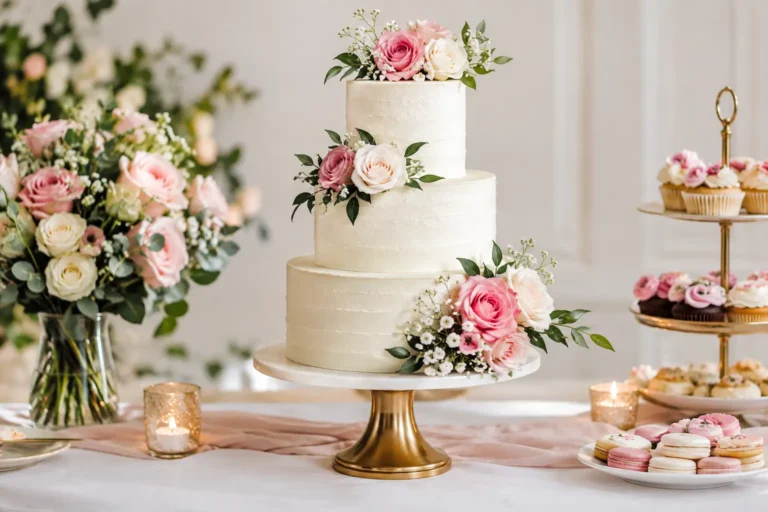
A château offers a built-in visual vocabulary: aged limestone, ornate plasterwork, formal symmetry and deep window light. It is especially forgiving for couples who want an editorial celebration without over-decorating. A small number of beautifully chosen gestures can be enough – sculptural arrangements at the ceremony, a linen with texture, taper candles in a restrained palette and stationery that echoes the property’s details.
The temptation is to compete with the building. Instead, let contrast do some of the work. Modern, sculptural florals can look striking against historic panelling. A clean ivory tablescape can feel fresher than a heavy reproduction of the past. The aim is not to make the château more ornate, but to let your own point of view appear within it.
A villa often works with a softer, more textural design language. Think hand-thrown ceramics, seasonal fruit, layered linens, loose garden flowers and table settings that feel collected rather than matched. Mediterranean villas particularly suit colours drawn from the landscape: butter yellow, terracotta, faded blue, olive, sun-bleached pink and cream. The effect can be luminous, natural and timeless rather than themed.
There is a trade-off. Because a villa’s architecture may be simpler, the styling choices carry more visual weight. This does not mean spending extravagantly. It means editing carefully. One strong colour story, good lighting and considered tables can create far more impact than a collection of disconnected details.
Consider the guest experience beyond the wedding day
For destination weddings, accommodation changes everything. Some châteaux function almost like boutique hotels, with enough bedrooms for close family and a number of shared salons for breakfast, welcome drinks and leisurely mornings. Others offer only a handful of rooms, which may leave guests spread across nearby towns. This can be charming, but it adds transport planning and can dilute the feeling of a shared weekend.
A villa usually creates a more domestic rhythm. When your nearest people stay on-site, there is an intimacy to making coffee together, sharing a swim before hair and make-up begins, or opening a bottle of wine after the rehearsal dinner. For couples who value time as much as spectacle, this can be the villa’s greatest luxury.
Yet privacy has limits. A villa wedding can ask a lot of the property: catering access, staff space, toilets, power for music and a safe plan for guests walking home after a late finish. Some villas are designed for holidays, not events, and their restrictions may be more stringent than their photographs suggest. Châteaux are often better equipped for professional suppliers, but may impose preferred caterers, minimum spends or time limits that affect the freedom of your plans.
Budget is about the full picture
Venue hire is only the opening figure. A château may command a higher fee, particularly in sought-after French regions and during summer weekends, but can include furniture, a professional kitchen, parking, a wet-weather space and established event infrastructure. These inclusions matter when comparing proposals.
A villa may appear more accessible at first, especially if it doubles as your accommodation for several nights. But factor in the event additions: furniture hire, catering equipment, generator costs, transport, extra cleaning, sound management and a plan B structure if needed. Conversely, if you are hosting a smaller gathering, a villa may prevent you from paying for rooms and spaces you do not need.
Ask every venue for a clear outline of what is included, what is compulsory and what has to be brought in. Also ask about curfews, corkage, supplier access, insurance, accessibility and the practical distance to the nearest airport or station. These questions may not feel romantic, but they protect the ease that makes a beautiful wedding feel effortless.
Let the season make the final distinction
In high summer, a villa can be at its most seductive: long light, outdoor suppers and a pace that encourages guests to stay outdoors until late. In very hot destinations, though, shade and cooling are not optional details. A château with thick walls and elegant indoor rooms may offer greater comfort for formal dressing, older relatives and a daytime ceremony.
Spring and autumn often flatter both, but in different ways. Châteaux come alive with misty gardens, fires lit in salons and rich, candlelit dinners. Villas can feel wonderfully abundant in harvest season, especially when the landscape provides the colour and texture. For winter weddings, a château is generally the more natural choice, provided its heating and accommodation are equal to its romance.
The right venue should not ask you to become a different kind of couple. Choose the château if you are drawn to history, ceremony and a setting that lends your day a heightened sense of theatre. Choose the villa if you want shared breakfasts, slow afternoons and a celebration that unfolds like an especially beautiful gathering at home.
Then allow one final image to guide you: picture the hour after dinner, when the formal moments have softened and everyone you love is together. If you see candlelight glowing through château windows, follow that feeling. If you see bare feet on a terrace and laughter carrying into the warm night, the villa may already be waiting for you.