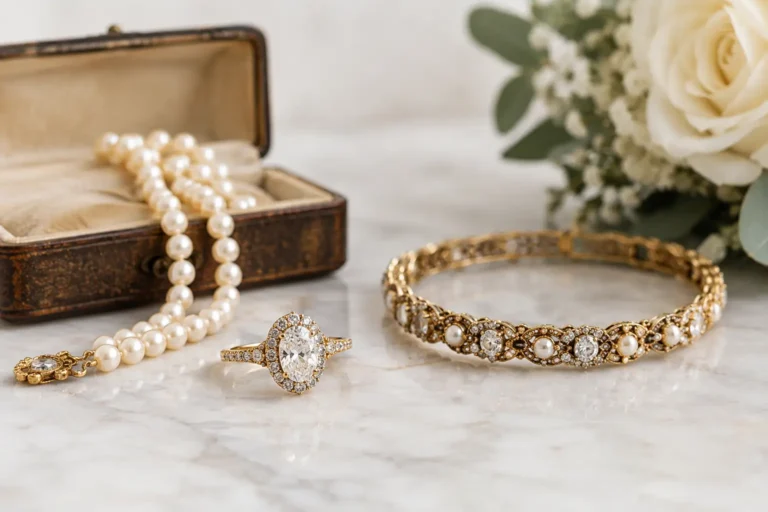
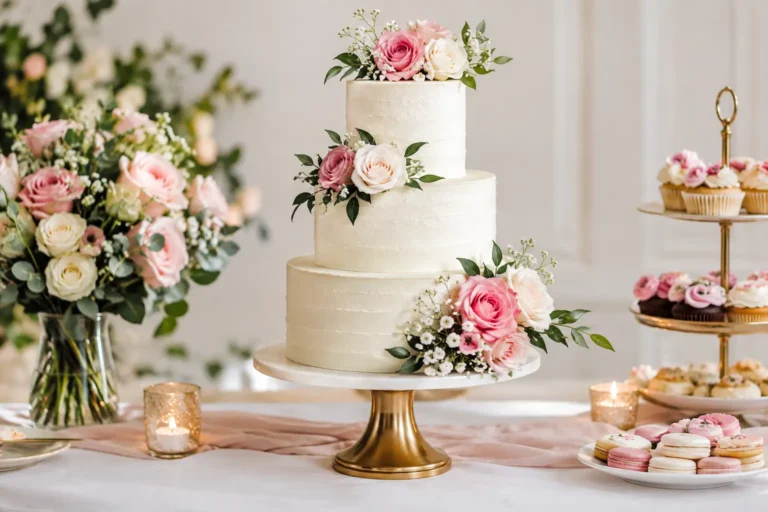
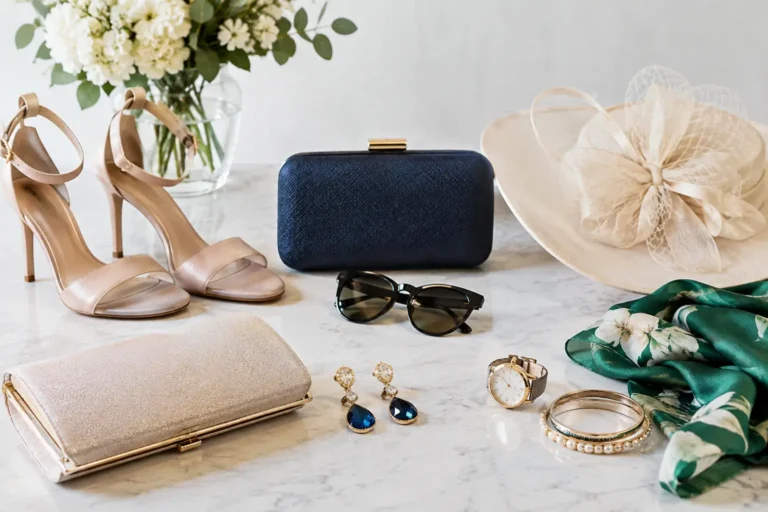
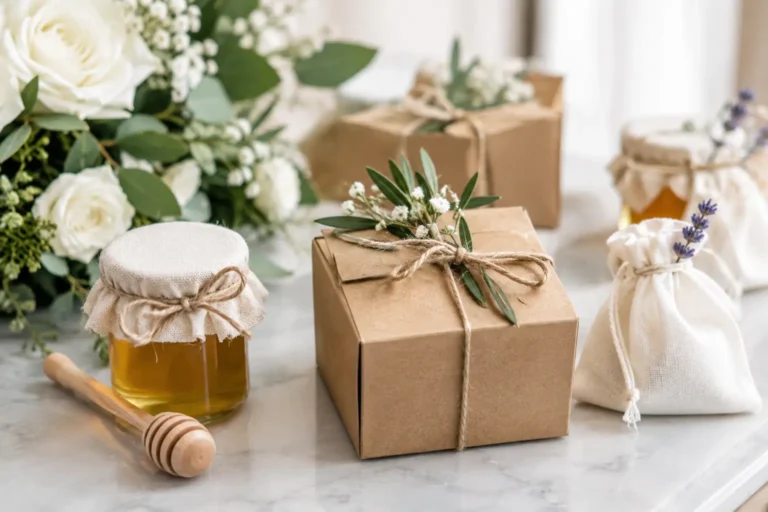
There is a particular stillness in photographs made on film: candlelight settling over a table, silk moving in a doorway, a glance shared just before the ceremony begins. Film wedding photographers are often drawn to these fleeting, textural moments because film asks them to look with intention rather than react to every second. For couples planning a celebration with emotional depth and a refined visual point of view, that distinction can shape far more than the final gallery.
Film is not simply a nostalgic filter or a shortcut to a fashionable look. It is a medium with its own rhythm, colour language and limitations. The best results feel luminous, natural and timeless because every choice, from the ceremony hour to the colour of the bridesmaids’ dresses, has room to breathe within the image.
What film wedding photographers bring to a celebration
A film photographer works with physical rolls of photographic stock rather than an endlessly reusable digital sensor. Each frame is considered, exposed, developed and scanned, often through a specialist laboratory. The process can create soft highlights, gentle grain and nuanced colour that feels especially beautiful against natural light, old stone, linen, flowers and skin tones.
Yet the appeal is not only visual. Because there is a finite number of frames on a roll, film wedding photographers tend to work with a more observant pace. That does not mean they miss the lively, unplanned moments of a wedding day. It means they learn to anticipate them. A quiet photographer watching the room may notice your father smoothing his cuff before the speeches, or the way late-afternoon light reaches the edge of your veil.
This measured approach can be deeply reassuring for couples who want photographs that feel composed without appearing overly directed. During portraits, there is often more space for conversation and less pressure to perform. The images may feel editorial, but their beauty comes from genuine connection rather than constant instruction.
The film aesthetic is built before the camera arrives
Film responds beautifully to thoughtful design, though it does not require a wedding to be extravagant. It is most at home in atmosphere: window light across a bedroom, a garden ceremony softened by cloud cover, taper candles at dinner, handwritten stationery on textured paper. These details give the photographer material to interpret, rather than merely document.
When I think about styling for film, I return to restraint. Choose a palette with tonal harmony rather than many competing colours. Cream, butter yellow, faded blue, moss, dusty rose, warm tobacco and soft black can all photograph beautifully, depending on the film stock and setting. Bright white, meanwhile, can be exquisite when balanced with texture: silk, handmade paper, glazed ceramics or weathered architecture.
Light deserves equal attention. Harsh midday sun can be used artfully, but it is less forgiving, particularly for a long portrait session. A ceremony held later in the day, a shaded courtyard for family photographs, or a reception with abundant candlelight can create the depth and softness many couples associate with film. Your photographer should never dictate every planning decision, but inviting them into the conversation early can make the day feel more cohesive.
Allow time for the details that matter
A film-led gallery is rarely rushed into being. Build gentle pockets of time into the schedule: ten unhurried minutes for the dress and paper goods, a first look in open shade, portraits before dinner, and a few minutes outside as the light begins to fade. These pauses do not take you away from your guests. They can become some of the calmest, most memorable parts of the day.
If you are marrying in a historic European venue, do not assume every photograph must happen in the grandest room. The worn staircase, an understated side corridor or a sunlit corner of the garden may offer more intimacy. Film has a beautiful way of honouring patina and imperfection.
Film, digital or a hybrid approach?
Choosing film does not have to mean rejecting digital photography. Many photographers work in a hybrid way, moving between film and digital cameras throughout the day. This can be an especially sensible choice for a multi-day destination wedding, a winter celebration with very limited daylight, or a reception where the dance floor will be dark and fast-moving.
Digital offers flexibility, speed and confidence in difficult light. Film offers a tactile quality and an interpretive softness that many couples find emotionally resonant. Neither is inherently more meaningful. The better question is what you want your photographs to feel like when you return to them in ten or twenty years.
A hybrid photographer may use film for the morning details, portraits, ceremony and the carefully styled reception, then use digital to document the energy of the evening. Others shoot almost entirely on film and bring digital equipment as a quiet safeguard. Ask what their approach looks like in practice rather than relying on a label in their portfolio.
There are trade-offs to understand. Film requires laboratory processing, so galleries can take longer to arrive. It can also involve additional costs for rolls, development and scans. In return, you are commissioning a craft-based process and a photographer with a clear visual perspective. If a quick turnaround or thousands of images are your priority, a digital-led photographer may suit you better. If you value imagery with softness, selectivity and a sense of permanence, film may be worth the investment.
How to choose film wedding photographers with confidence
Begin with full galleries, not only highlight reels. A handful of beautiful portraits can be made almost anywhere; a complete wedding shows how a photographer handles a dim ceremony, family groupings, mixed weather, tight timelines and the shifting energy of a reception. Look for consistency in skin tones, composition and emotional storytelling.
Then pay attention to the feeling of the images. Are they warm and sun-washed, clean and true-to-life, gently grainy, or rich with contrast? Film is not one aesthetic. Different stocks, scanning preferences and editing decisions can produce very different results. A photographer whose work feels right for a summer villa wedding may not be the natural choice for a candlelit city celebration, and that is entirely fine.
Your conversation matters just as much as the portfolio. Share what you care about beyond the visuals: the people who have travelled furthest, the family traditions, the moment you expect to feel most nervous, the room you have spent months imagining. A photographer with editorial sensitivity will hear the emotional story beneath the mood board.
It is also wise to ask practical questions about coverage, backup equipment, film processing, gallery delivery and how they work with planners and videographers. Clear answers are a mark of professionalism, not a disruption to romance. The more confidently your creative team works together, the freer you will feel on the day.
Let the photographs reflect the way the day felt
The loveliest film images are not perfect because every napkin was in place or every guest looked towards the camera. They are beautiful because they hold atmosphere: the blur of a veil in motion, a champagne glass catching the last light, the tenderness of being surrounded by your people.
Give your photographer an intentional setting, then allow the day to unfold. The frames you treasure most may be the ones you never thought to request.