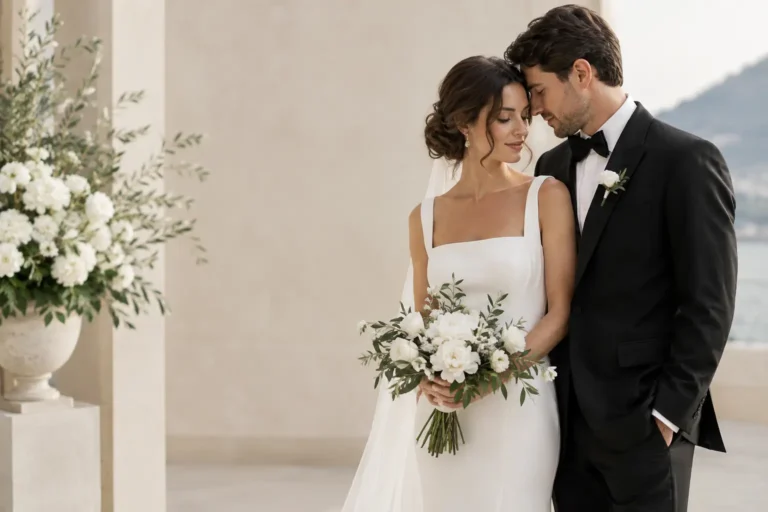
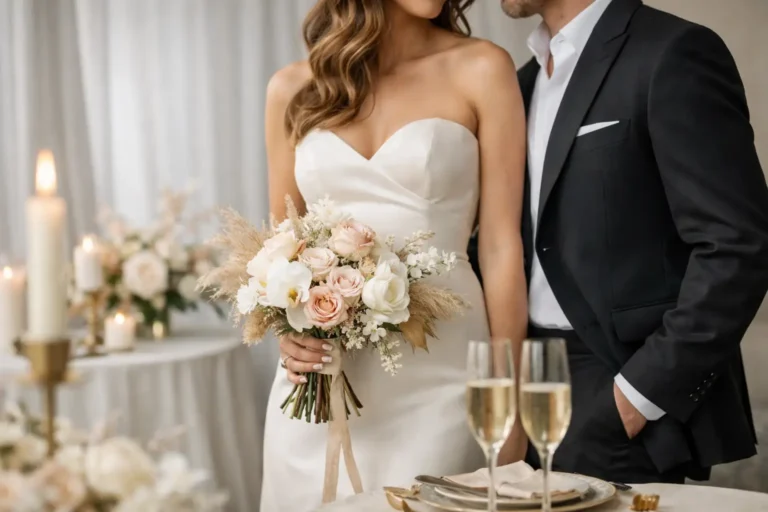
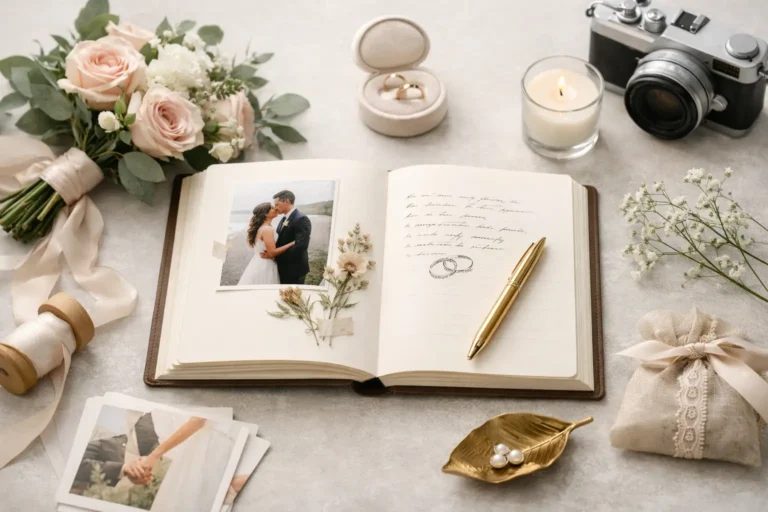
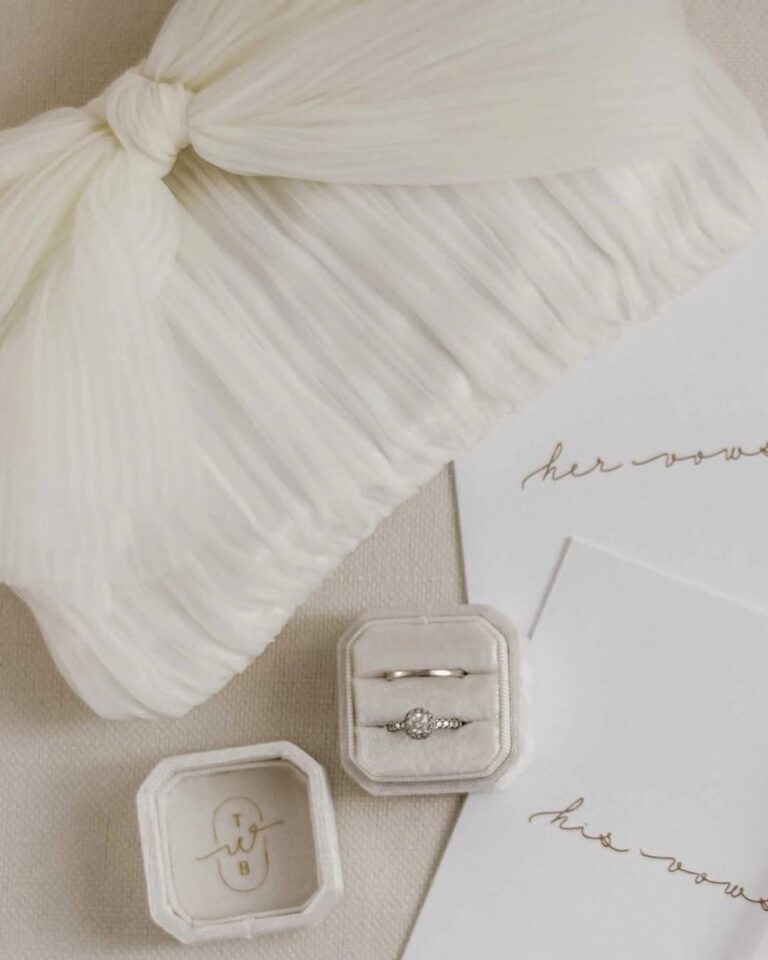
A veil catches the last light outside a Provençal chapel. Champagne glasses blur at the edge of the frame. Your grandmother reaches for your hand before the ceremony begins. These are the small, unrepeatable moments at the heart of film versus digital photography – not simply a technical decision, but a choice about how your wedding day will be felt when you return to it years from now.
For couples drawn to luminous, natural, and timeless imagery, the question is rarely whether one medium is objectively better. It is whether the photographer’s way of seeing, their handling of light, and the pace of their work suit the atmosphere you hope to create. Film and digital can both produce beautiful wedding photographs. They simply arrive there differently.
Film versus digital photography: the visual difference
Film has a softness that is difficult to imitate completely. Highlights tend to roll gently into brightness rather than appearing abruptly white, while skin often has a creamy, nuanced quality. Grain gives an image a quiet texture, particularly in lower light, and colours can feel muted, sun-warmed, or delicately pastel depending on the film stock and scan. For a garden celebration, a stone villa, or a candlelit dinner layered with linen and florals, this can create the sense that each image belongs to a cherished family album, even when the styling is unmistakably contemporary.
Digital photography is often cleaner, sharper, and more adaptable. It can preserve fine detail in lace, embroidery, tablescape textures, and an expansive landscape, while modern digital cameras perform remarkably well after dark. A talented digital photographer can create images that are airy and romantic, richly editorial, or true-to-life and documentary-led. The medium is not synonymous with a cold or overly polished result. Its character depends on the photographer’s editing, exposure choices, and visual restraint.
The distinction is most noticeable in difficult light. Film can render bright windows, pale skies, and sunlit skin with a graceful glow, but it is less forgiving if a scene is badly underexposed. Digital offers greater immediate flexibility, particularly for a reception that moves from golden hour into a dimly lit ballroom. Neither outcome is automatically more beautiful. Think instead about what you want the photographs to prioritise: softness and atmosphere, or precision and adaptability.
What film brings to a wedding day
Film encourages intention. Each frame has a cost and a limit, so photographers tend to slow down, assess the light, and photograph with a strong sense of purpose. For many couples, that quieter rhythm is part of the appeal. Portraits may feel less like a rapid sequence of poses and more like a small pause together – a chance to step away from the energy of the day and be present with one another.
This does not mean a film photographer will miss the spontaneous moments. The best wedding photographers anticipate them. But it can mean that a film-led gallery contains fewer near-identical images, with each one selected and composed with care. If you love the idea of a considered collection rather than hundreds of variations, film’s restraint can feel wonderfully aligned with an intentional celebration.
There are practical considerations, too. Film must be processed and scanned, which can extend delivery times. It can also be more expensive because of the cost of rolls, development, scanning, and the experience required to expose consistently. A photographer working primarily on film may use supplemental lighting more selectively, and very dark venues can present limitations unless the schedule and lighting plan have been thoughtfully designed.
For an outdoor wedding in generous daylight, a weekend in Tuscany, or a city celebration with beautiful window light, these trade-offs may barely register. For a winter reception in a low-lit historic hall, they deserve an honest conversation before you book.
The case for digital photography
Digital is exceptionally well suited to weddings with shifting conditions and a full, fast-moving schedule. It allows a photographer to review exposure as they work, adjust swiftly when rain changes the ceremony plan, and continue photographing confidently as the dance floor darkens. At a destination wedding, where weather and timing are rarely entirely predictable, that flexibility can be deeply reassuring.
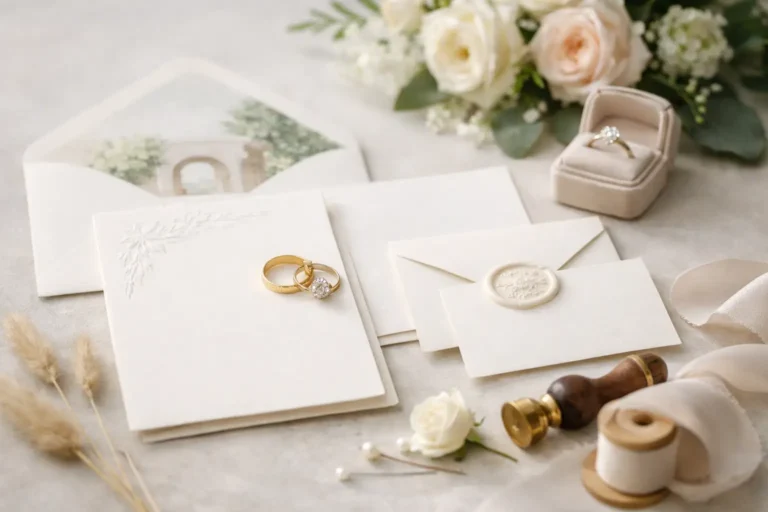
It also makes room for generous coverage. A digital photographer can document the anticipation while you dress, the expressions of guests during your vows, the intricate stationery suite, and the kinetic joy of the party without the same concern for frame count. If candid guest photographs matter greatly to you, digital may provide more breadth.
The strongest digital galleries still feel edited, not excessive. Look for a photographer who knows when a detail is worth lingering over and when to let a moment unfold without interruption. Technical capacity is valuable, but a refined wedding story relies on judgement. You want photographs that hold the atmosphere of the room, not merely proof that every moment occurred.
Hybrid photography can offer a thoughtful middle ground
Many wedding photographers work in both formats, using digital where speed and darkness demand it and film where its tonal character can do its most beautiful work. This hybrid approach is especially compelling for celebrations that begin in soft daylight and end beneath candlelight, or for couples who adore film’s romance but want extensive coverage of a lively evening.
A hybrid gallery should still feel cohesive. Ask to see full wedding galleries rather than only a handful of highlights. Notice whether the transition between formats feels intentional, whether skin tones remain consistent, and whether the photographer has a clear reason for choosing one medium over the other. The goal is not to collect two looks for their own sake. It is to create a visual narrative with continuity.
Choose for your setting, not a passing aesthetic
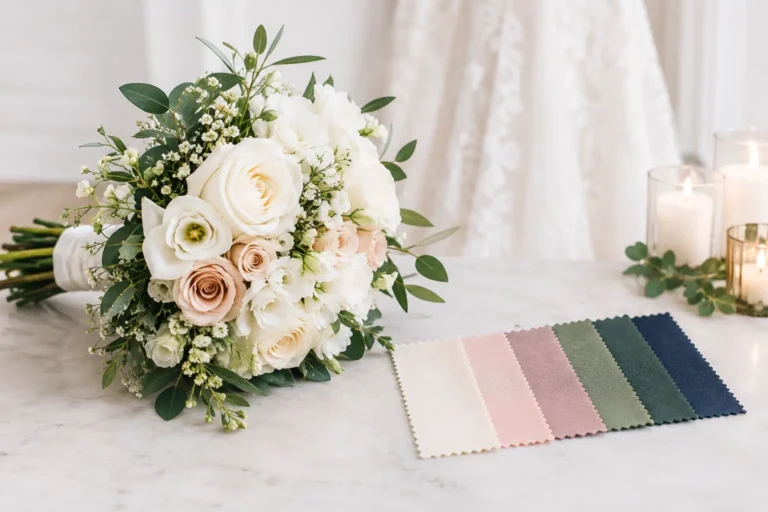
A wedding’s design and location can help guide the decision. Film often feels at home with faded frescoes, olive groves, silk ribbons, antique silver, soft floral palettes, and open shade. Its gentle interpretation of colour can make a deliberately restrained scheme feel especially lyrical. Digital can be equally beautiful in these settings, while offering clarity for architectural spaces, dramatic weather, high-contrast city scenes, and receptions designed around low, intimate light.
Consider the season as carefully as the venue. A June ceremony that begins late in the afternoon gives a photographer forgiving, flattering light. A December celebration may involve a short day, overcast skies, and portraits after sunset. None of this rules film out, but it affects how a photographer will plan. An experienced professional may recommend an earlier ceremony, a first look, or a portrait window before the light falls.
Your own relationship to images matters most. Do you want photographs that feel like editorial stills, quietly imperfect and tactile? Do you value crisp documentation of every person who travelled to celebrate with you? Are you drawn to a gallery that feels sunlit and painterly, or one that captures the sparkle and movement of a late-night party? The answers can be more useful than asking whether film is more luxurious or digital more practical.
Questions to ask your wedding photographer
Before signing a contract, ask what format they use throughout a full wedding day and why. Ask to see galleries photographed in conditions similar to yours, especially if your venue is dark or your ceremony is planned near sunset. It is also wise to ask how they handle rain, reception lighting, flash photography, backup equipment, film processing, and delivery timelines.
If a film look is important to you, avoid asking a digital photographer to copy a reference image exactly. Instead, describe the qualities you respond to: gentle highlights, honest colour, visible grain, movement, or an unhurried editorial mood. A photographer with a distinct point of view will translate those feelings through their own craft far more beautifully than they can recreate someone else’s preset.
Your photographs should not be chosen as a badge of taste. They should be chosen because they make room for you to remember how the day sounded, moved, and felt: the breeze lifting the linen, the hush before your vows, the warmth of everyone you love gathered close. Choose the photographer whose work lets that memory glow, then give them the time, light, and trust to make something lasting.