A wedding favour has a small but meaningful role to play. It is the final object your guests hold in their hands as the evening draws to a close – a quiet gesture of thanks, rather than another detail competing for attention. To create thoughtful wedding favours, begin not with what is trending, but with the atmosphere you hope your guests will remember: candlelit dinner tables, salt air after a coastal ceremony, a favourite scent, or the recipe that always appears at family gatherings.
The most beautiful favours feel woven into the celebration rather than added at the last minute. They need not be extravagant, nor must every guest take home a keepsake. A carefully chosen edible treat, a tiny object with a story, or even a beautifully presented handwritten note can carry far more feeling than something chosen simply because it fits a familiar wedding template.
Create thoughtful wedding favours by beginning with meaning
Before considering materials, colours or packaging, choose a starting point that belongs to the two of you. Perhaps you met over coffee, return to a particular Italian town each summer, or are hosting your wedding among the hills where one of you grew up. These personal references offer a more graceful direction than a broad theme and help your favours become part of the wedding narrative.
For a celebration in Provence, a small jar of local lavender honey or sachet of dried herbs feels natural. At a London city wedding, guests might take home a miniature tin of tea blended especially for the occasion. A destination celebration by the sea could call for a handwritten card naming a favourite nearby beach, paired with locally made sea-salt chocolate. The point is not to make every favour overtly themed. It is to choose something that could not have belonged quite so perfectly to another wedding.
This approach also makes decisions easier. Once you have identified the emotional reference, you can edit with confidence. If an idea does not reflect your setting, story or sense of hospitality, it may be lovely, but it is not necessarily yours.
Choose a favour guests will genuinely enjoy
There is no universal answer to what guests most want to receive. A formal, multi-day destination wedding may suit a lasting keepsake, while an intimate dinner party can feel complete with a small edible gift placed beside each napkin. Consider the rhythm of your day and the journey home your guests will make.
Edible favours are often the most warmly received because they feel generous without creating another thing to store. Think beyond the traditional sugared almond: a silk-ribboned box of patisserie chocolates, a miniature bottle of olive oil from the region, a bespoke blend of loose-leaf tea, or a beautifully wrapped biscuit iced with a discreet monogram. If food is central to your celebration, these details can echo the menu without repeating it too literally.
Keepsakes work best when they are useful, tactile and made with care. A linen cocktail napkin, hand-poured candle, small ceramic dish or illustrated matchbox can feel considered when its design is restrained. Avoid adding names and dates to every surface. A subtle colour palette, a hand-drawn motif from your stationery, or a simple tag is usually enough to preserve the memory while allowing the object to live naturally in someone’s home.
For weddings with a strong sense of place, locally sourced favours are especially compelling. They introduce guests to a maker, flavour or craft they may not otherwise have discovered. They also offer a quieter kind of luxury: the sense that the details were selected with attention rather than ordered in bulk.
Let the presentation belong to the table
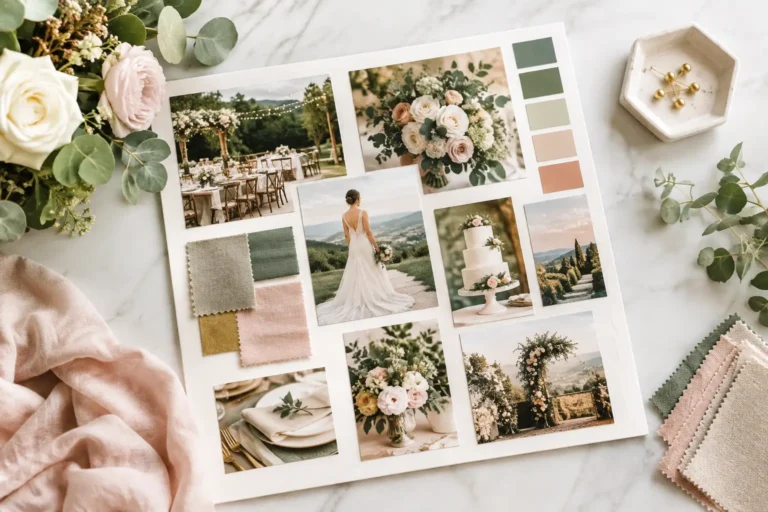
Presentation is where even a simple favour becomes an intentional piece of art. Rather than setting each gift apart in a crowded favour display, consider how it can contribute to your tablescape. A small box in the same warm ivory as your menus, a raw silk ribbon that mirrors your bridal bouquet, or an illustrated label picked up from your invitation suite creates visual continuity without becoming overly matched.
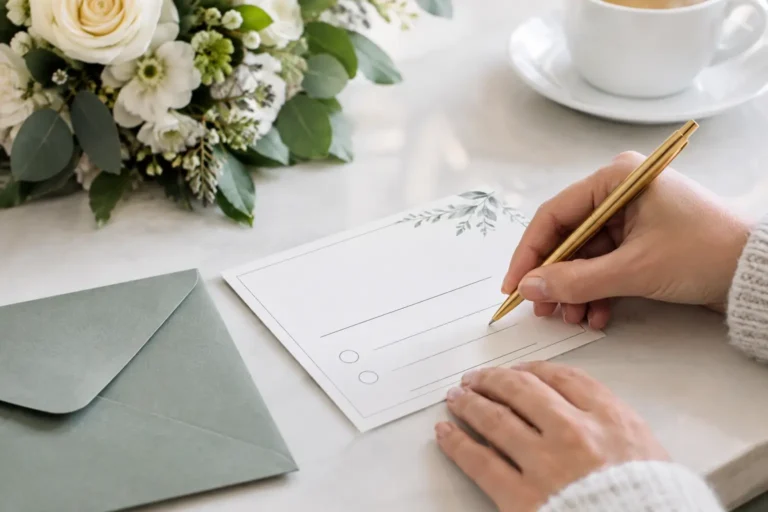
Place cards and favours can work together beautifully. A hand-tied ribbon around a petite bottle, finished with a name card, gives guests something personal to find at their setting. For a relaxed garden supper, a bowl of seasonal fruit or small jars of preserve can be arranged along the table for guests to choose as they leave. This feels abundant and informal, particularly when the favours are edible.
Do consider scale. A favour should enhance a place setting, not obscure the flowers, menus and glassware you have chosen so carefully. If the object is larger, create a dedicated farewell table near the exit and present it with the same attention as the rest of your styling. Soft candlelight, a linen cloth and a short note of thanks can turn the practical act of collection into a lovely final moment.
Be realistic about timing, budget and travel
Thoughtful does not have to mean handmade by the couple. If you enjoy making things, assembling favours with friends can become a warm pre-wedding afternoon. Yet hand-pouring 120 candles or tying 180 intricate bows can quickly become stressful when final fittings, guest arrivals and supplier decisions are already demanding your time. Choose craftsmanship where it matters, then be honest about what you can comfortably take on.
Budget is equally worth considering early. A smaller guest list may allow for artisan pieces; for a larger celebration, one beautifully packaged edible item can be more elegant than a lower-quality keepsake. Allow for packaging, postage, customs duties and breakages, particularly for destination weddings. Glass bottles and delicate ceramics can be difficult to transport, while food rules may vary when guests are travelling internationally.
If your guest list includes children, older relatives or guests with dietary requirements, avoid assuming that one edible option suits everyone. You might offer a non-food alternative at the farewell table, or select a treat with clear ingredients and an inclusive recipe. The gesture should feel welcoming, never complicated.
Give guests permission to take only what they love
Not every wedding needs one favour per place setting. In fact, a considered display of optional take-home gifts can reduce waste and feel more relaxed. This is especially true for items such as matches, seed packets, small books of photographs, or regional treats that some guests may prefer to enjoy later.
A short note can make the intention clear: a few words of gratitude, a line about the local maker, or an invitation to take one for the journey home. This gentle framing shifts the favour from an obligation to a gesture of hospitality.
The favours that endure in memory are rarely the loudest. They are the ones that feel like a continuation of the evening: a taste, texture or tiny ritual that brings guests briefly back to the light, conversation and affection of your celebration. Choose one that feels true to your story, present it beautifully, and let that small kindness speak for itself.