
A Paris wedding is often imagined in fragments: candlelight flickering against gilt mirrors, silk sleeves on a stone staircase, a dinner table softened by garden roses. Yet the most memorable Paris wedding venues do more than deliver a beautiful photograph. They create a feeling that holds your guests from the first glass of champagne to the final dance – and gives your celebration a sense of place rather than a borrowed postcard.
The question is not simply whether a venue looks Parisian. It is whether its architecture, light, scale and rhythm suit the way you want the day to feel. For some couples, that means a grand hôtel particulier with salons made for a black-tie dinner. For others, it is a quiet garden beyond the city, where the Parisian connection arrives through linen, menus, music and the ease of a long summer evening.
Choosing Paris Wedding Venues With a Point of View
Paris is rich in beautiful rooms, but beauty alone can create decision fatigue. Begin with the emotional shape of your wedding. Do you picture a formal arrival, a ceremony with theatre, and a candlelit supper that unfolds at an unhurried pace? Or do you want an intimate gathering where guests feel as though they have been invited into a particularly elegant private home?
This distinction will guide nearly every venue decision. A historic palace or museum-scale space brings drama, architectural detail and a ready-made sense of occasion. It can also require more planning around access, guest movement, production timings and minimum spend. A private residence or boutique property may feel warmer and more personal, but will often have firmer capacity limits and fewer weather contingencies.
I encourage couples to think beyond a venue’s most photographed corner. Ask where guests will gather before the ceremony, where older relatives can sit comfortably, and whether the transition from aperitif to dinner feels natural. A space can be visually extraordinary yet feel fragmented if guests are repeatedly moved between small rooms or if the dinner sits far from the heart of the celebration.
Consider the light before the décor
Parisian interiors are defined by light as much as ornament. Tall windows, pale limestone, aged parquet and antique mirrors each respond differently from morning through to evening. If you are planning a daytime ceremony, visit or request imagery taken at the same hour. For a winter wedding, consider how the rooms hold artificial light once darkness arrives, especially if you hope for a softly luminous editorial atmosphere rather than a brightly lit banquet room.
Outdoor spaces deserve the same attention. A courtyard can be exquisite for cocktails but too exposed for a ceremony in cooler months. A garden may offer beautiful late-afternoon light, though its soundscape and weather plan need careful consideration. The loveliest celebrations feel effortless because these practical choices have been made quietly in advance.
Let the architecture lead, not overpower
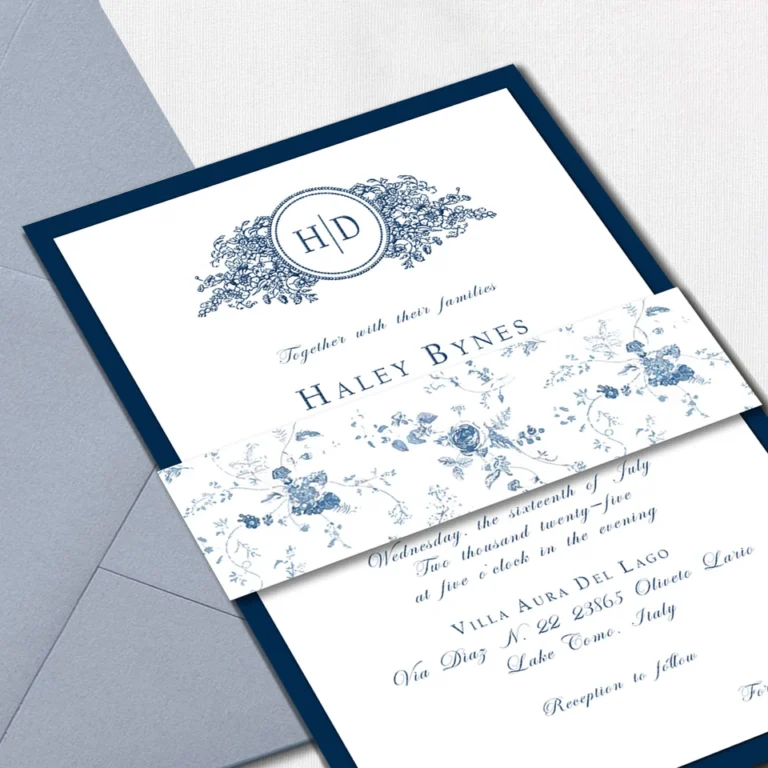
Ornate interiors invite restraint. If the room already has carved panelling, murals, chandeliers and layers of history, a simple floral language may feel more luxurious than a competing installation. Consider sculptural branches, tonal flowers, ivory tapers and beautifully considered paper goods that echo a detail in the room.
By contrast, a more contemporary gallery, loft or glasshouse gives you space to introduce colour and texture with greater confidence. A tailored tablescape in tobacco linen, unexpected fruit, hand-painted stationery or a modern floral composition can make a clean setting feel deeply personal. The aim is not to match every detail perfectly. It is to create a conversation between the venue and your own story.
The Paris Venue Styles Worth Considering
A refined wedding in Paris need not follow one visual formula. The city offers a remarkable range of settings, each with its own practical and emotional character.
Hôtel particuliers for private grandeur
These historic townhouses are among the most compelling choices for couples seeking intimacy with architectural presence. Their salons, staircases and concealed courtyards can make a relatively modest guest count feel cinematic. They are particularly suited to multi-part celebrations: a ceremony in one salon, champagne in another, followed by dinner beneath chandeliers.
The trade-off is that historic layouts are rarely designed around modern events. Check lift access, catering facilities, dancing capacity and whether music restrictions will shape the evening. If your guest list is large, the romance of smaller interconnected rooms may eventually feel less like a private home and more like a logistical puzzle.
Grand hotels for polished ease
For couples planning from abroad, a luxury hotel can offer valuable reassurance. There is usually an experienced events team, accommodation for guests, established catering and a clear plan for rain, late arrivals and last-minute wardrobe emergencies. The service can make the entire weekend feel considered, especially when guests are travelling from several countries.
A hotel wedding does not need to feel generic. The most successful approach is to find a property whose character aligns with yours, then choose a few expressive details rather than redesigning the room entirely. A ceremony musician, a custom bar menu, personal vows or an intimate late-night gathering can bring texture to the established elegance.
Gardens, châteaux and estates beyond the city
If your vision includes open air, longer tables and a little more freedom, look just beyond Paris. A château or estate can give guests the pleasure of a destination wedding while keeping the city within reach. These settings often allow a ceremony, dinner and dancing to unfold across one property, which creates an especially relaxed atmosphere.
The journey matters, however. Consider travel time at the end of the night, transport for guests in formalwear, and whether the setting requires a larger production budget for lighting, furniture, catering or power. A countryside venue may appear less expensive at first glance, but its blanker canvas can call for more infrastructure than a city property.
Modern spaces for an editorial celebration
Paris also rewards couples who prefer clean lines to gilded salons. Contemporary galleries, design-led restaurants and converted industrial spaces can provide a beautiful contrast to a bridal look with softness and romance. They work well for a smaller, fashion-conscious celebration where food, music and tablescape design are central to the experience.
Here, atmosphere has to be built with intention. Think warm pools of candlelight, tactile textiles, generous floral gestures and considered sound. A modern room becomes memorable when it feels inhabited rather than merely styled.
Make the Guest Experience Part of the Design
The finest venue choice is never only about what appears in photographs. It shapes how everyone feels. Paris can be exhilarating for international guests, but it can also be unfamiliar: traffic, compact streets, language differences and the formality of certain locations all affect the pace of the day.
Choose a venue with a clear arrival experience. A discreet entrance may suit a private celebration, while a dramatic façade can make the opening moments feel ceremonial. Consider nearby accommodation and whether guests can walk or take a simple car journey. If you are marrying in high summer, shaded outdoor areas and water on arrival are not minor details. They are hospitality.
It is also worth asking how a venue handles sound. A live jazz trio during cocktails might be welcome, while dancing after a certain hour may need to move indoors or end earlier than expected. These limitations are not necessarily deal-breakers. They simply help you design the right kind of evening: perhaps a beautiful dinner with live music and a smaller after-party elsewhere, rather than forcing one space to do everything.
Questions to Ask Before You Fall in Love
Before placing a hold, ask for a realistic picture of what is included and what must be brought in. Clarify the usable capacity for your preferred layout, not just the maximum permitted number. Ask about exclusive use, set-up and collection hours, supplier policies, kitchen access, furniture, rain plans, sound limits and any restrictions on candles, confetti or floral installations.
If a ceremony is planned on site, confirm the legal and symbolic options early. Many destination couples choose a civil ceremony at home followed by a personal ceremony in Paris, which can give the day more creative freedom. It also means the ceremony can be shaped around the place and the two of you, rather than around administrative constraints.
Request a sample timeline as well. This reveals whether the venue understands the kind of celebration you are planning. A room may be available for dinner, for example, but only with a narrow window to transform it after a ceremony. A thoughtful team will be candid about what is possible and where a different flow would serve the experience better.
Paris is not a theme to apply to your wedding. It is a setting with its own texture, pace and quiet confidence. Choose the venue that lets your guests feel that spirit while still recognising you in every thoughtful detail. When the light changes, the music begins and the room fills with the people you love, that is when a beautiful address becomes an intentional piece of art.
2 Comments