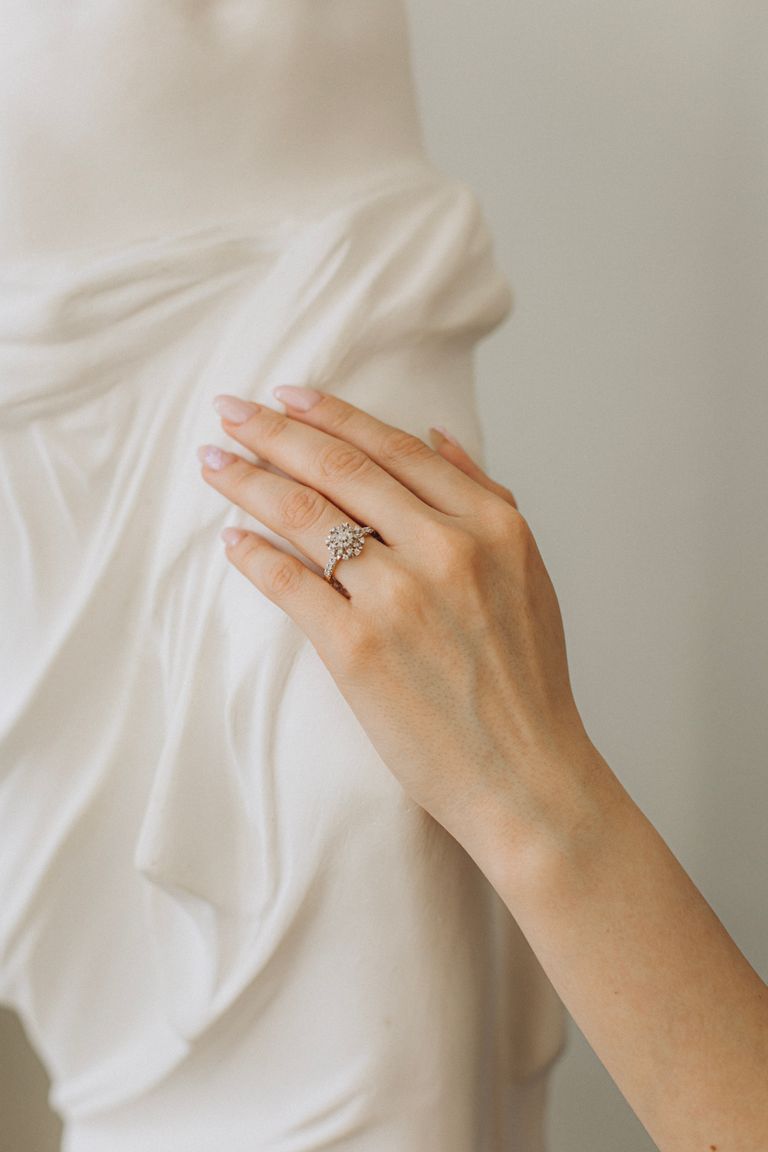
A ring is one of the few wedding details that will travel with you long after the flowers have faded and the final dinner table has been cleared. The most memorable custom diamond engagement rings do not simply follow a trend or maximise carat weight. They hold a sense of proportion, personality and quiet intention – like a small, luminous piece of your shared story.
For couples drawn to an editorial, considered celebration, a bespoke ring is an opportunity to begin with meaning rather than a standard setting. It can echo the architecture of a favourite city, the warm gold of a family heirloom, or the understated elegance of the wardrobe you reach for every day. The goal is not to design a ring no one has seen before. It is to create one that feels unmistakably yours.
Why custom diamond engagement rings feel different
A custom ring invites you to make choices in relationship with one another. The diamond, metal, setting and finish are considered as a whole, rather than selected as isolated features. This is where a design begins to feel balanced: a softly elongated stone may call for a slender, knife-edge band; an antique-inspired diamond may look most at home in warm yellow gold with a hand-finished setting.
There is also a practical beauty in commissioning a ring. You can adjust proportions for the hand that will wear it, incorporate an inherited stone, or create a setting that sits neatly alongside a future wedding band. These details are difficult to resolve after the fact, yet they make an enormous difference to how naturally the piece becomes part of everyday life.
Custom does not have to mean elaborate. In fact, many of the most enduring designs are defined by restraint. A classic solitaire with a perfectly judged gallery, a bezel that follows the organic outline of a pear-shaped diamond, or a fine band with a discreet engraved date can feel more personal than a ring layered with decorative detail.
Begin with the atmosphere, not the setting
Before saving individual rings, consider the feeling you want the piece to carry. Think of this as establishing a visual language, much as you would when shaping a wedding weekend. Is your world luminous and minimal, with crisp linens, sculptural florals and pale stone? Or is it softened by old-world romance, candlelight, velvet and timeworn gold?
The answer does not need to become a rigid rule. It simply offers a useful filter when choices multiply. A modern architectural aesthetic might lead you towards an emerald cut diamond, platinum and clean, tapered lines. For a more romantic sensibility, an old mine cut or oval diamond in yellow gold may have the warmth and movement you are seeking.
I often encourage couples to look beyond jewellery imagery alone. Notice the interiors, landscapes, fashion and photography that repeatedly draw you in. The same preferences that make you love a sunlit villa in Provence or a silk gown with a fluid drape may reveal the ring proportions and materials that will continue to feel right years from now.
Choose a diamond for character as well as credentials
The traditional four Cs – cut, colour, clarity and carat – are essential reference points, but they are not the full story. Two diamonds with similar certificates can look entirely different in natural light. Cut quality has a particular influence on brilliance and life, while a stone’s shape and spread can affect how substantial it appears on the hand.
It is worth viewing diamonds in person when possible, or asking for clear videos taken in daylight and varied lighting. A diamond should not only sparkle beneath boutique spotlights. Look for the quality that speaks to you: crisp, mirror-like flashes in an emerald cut; a soft, romantic scintillation in an old cut; or the bright, lively fire of a round brilliant.
The question of natural versus laboratory-grown diamond is personal, and neither route is automatically the more meaningful one. A laboratory-grown diamond can allow more room in the budget for size, a distinctive setting or other wedding priorities. A natural diamond may appeal for its geological rarity and long history. In either case, ask for transparent information about origin, certification and the jeweller’s sourcing practices.
Let proportion guide the carat conversation
Carat is a measure of weight, not a universal measure of beauty. On a smaller hand, a diamond with generous dimensions can feel wonderfully present at a modest carat weight. On another hand, a larger stone may need a slightly wider band or a more substantial setting to look harmonious.
Try different shapes before deciding. An oval, marquise or pear often appears larger than a round diamond of equal weight because of its elongated silhouette. A bezel can make a stone feel graphic and contemporary, while fine claws expose more of the diamond and create a lighter, more traditional effect. There is no correct scale – only the proportion that feels graceful when you look down at your hand.
Designing the setting around real life
A beautiful ring should suit the rhythm of the person wearing it. If you work with your hands, travel often, or prefer an unfussy wardrobe, a lower-profile setting or protective bezel may offer peace of mind. If the ring is intended for occasional wear and you love the drama of a high-set solitaire, that choice can be equally right, provided you understand how it will wear.
Metal changes the mood just as much as the diamond. Yellow gold brings softness and a subtle vintage note, particularly beside warmer diamonds. Platinum feels cool, precise and enduring, while rose gold can be lovely but is more specific in character and may not suit every future wedding band. White gold offers a bright finish, although its rhodium plating usually requires occasional renewal.
Also consider the wedding band early. A low basket setting may leave little room for a straight band to sit flush, which can be charming if you like the look of a gentle gap or a shaped band. But if a clean, close fit matters to you, your jeweller should design for it from the beginning. This small conversation can prevent a surprisingly common disappointment later.
Meaningful details, used with a light hand
The most successful personal touches tend to be intimate rather than immediately visible. An inscription inside the band, a hidden birthstone beneath the centre diamond, or gold repurposed from a family piece can give the ring depth without changing its outward simplicity.
If you are incorporating an heirloom diamond, ask for an honest assessment of its condition and suitability for resetting. Older stones may have chips, thin girdles or unusual proportions that need a protective design. A skilled jeweller can preserve the history while ensuring the ring is secure enough for modern wear.
For those starting from scratch, resist adding every idea at once. Pavé shoulders, a halo, hand engraving and coloured side stones can each be beautiful, but together they can compete. Choose one central gesture and allow it room to breathe. The result is more likely to feel like an intentional piece of art than a collection of references.
A thoughtful commissioning process
A bespoke ring needs time. The exact timeline varies with stone sourcing, design revisions and workshop schedules, but beginning several months before a proposal is wise, especially if you are seeking an unusual diamond or having a setting made entirely by hand. Build in room for the pleasurable parts of the process: trying samples, considering scale, and letting an initial idea settle before committing.
Ask to see drawings or digital renderings, but remember that a rendering can make every detail appear larger and sharper than it will in metal. Request guidance on band width, setting height, claw size and finishing. These are the quiet decisions that determine whether the final ring feels delicate, durable and comfortable.
A clear budget is not unromantic. It is a design tool. When a jeweller understands which element matters most – perhaps an exceptional cut, an antique stone, or handcrafted engraving – they can guide the investment towards that priority rather than asking every detail to carry equal weight.
The ring you choose need not announce every part of your love story to the room. Let it be something more lasting: a beautiful daily object, made with care, that catches the light at ordinary moments and brings you gently back to the reason you chose one another.