A wedding becomes memorable not because every detail is extravagant, but because it carries the quiet signatures of the two people at its centre. The most beautiful ways to personalise your wedding are rarely about adding more. They are about choosing with intention: a scent that recalls a favourite city, a ceremony reading that sounds like you, a table set with the warmth of a long, lingering supper.
Think of your celebration as an atmosphere rather than a collection of individual decisions. Once the feeling is clear – sun-washed and intimate, candlelit and cinematic, joyful and slightly irreverent – the meaningful details begin to find their place.
Begin with the story only you can tell
Before choosing flowers or linen, return to the beginnings of your relationship. Consider where you met, the places that have shaped you, the meals you make together, the music you play on slow Sunday mornings, and the people who have held you both close. These memories are not necessarily themes. They are source material.
A couple who fell in love while travelling through Italy may not need a literal Mediterranean tableau. Instead, they might create the feeling through ripe seasonal fruit, handwritten menus, softly textured stoneware and an unhurried dinner beneath warm light. The result feels less like a costume and more like a lived-in expression of place.
Choose a feeling, not a motif
A single visual motif can quickly become limiting. A feeling gives you more room to create. Perhaps you want guests to feel as though they have arrived at the most elegant dinner party of your lives, or perhaps the day should have the ease of a summer holiday with your closest friends. Use that sentence as a gentle filter for every decision.
Write a ceremony that sounds like your relationship
The ceremony is the emotional centre of the day, yet it is often treated as a formal interval before the party begins. Personal vows, carefully chosen readings and music with genuine resonance can turn it into the moment guests remember most.
If writing your own vows feels daunting, do not try to produce a grand speech. Begin with small truths: what your partner notices that no one else does, what you have learnt from loving them, or the ordinary future you are most excited to share. A vow that feels specific will always carry more weight than one that aims for perfection.
You might also ask a sibling, friend or parent to offer a short reading, particularly if they have a natural connection to the words. Keep the overall ceremony edit restrained. One beautifully delivered reading and a meaningful piece of music can be more moving than an overfilled programme.
Let the setting do some of the storytelling
A venue need not mirror your home or relationship exactly, but it should support the atmosphere you want to create. A historic townhouse may suit an intimate, fashion-led city celebration; an olive grove lends itself to a slower, sunlit gathering; a coastal hotel can bring an effortless sense of escape.
Personalising the space may be as simple as designing around its existing character rather than fighting it. Honour old plaster walls, dramatic windows, a family garden or a view worth pausing for. The most refined weddings often feel as though they could only have happened in that particular place.
For destination weddings, introduce the location through its natural materials and local rituals rather than relying on obvious symbols. Regional flowers, seasonal produce, a local aperitif or musicians from the area can make guests feel grounded in the destination while keeping the visual direction timeless.
Create paper goods with a point of view
Your invitation is the first chapter of the celebration. It can offer a glimpse of the mood through typography, paper texture, illustration and the simple language you choose. Rather than trying to communicate every detail at once, let it establish a visual rhythm that continues throughout the day.
A custom venue sketch, a painted map of a meaningful neighbourhood or an illustrated motif drawn from your tablescape can bring a sense of authorship without becoming overly formal. For a more understated approach, choose one exceptional paper stock and a typeface that feels aligned with the setting.
Carry the same considered thread through day-of pieces: ceremony programmes, menus, escort cards and signage. They do not need to match identically. A family of related details feels more editorial and less manufactured.
Build a menu around memory and season
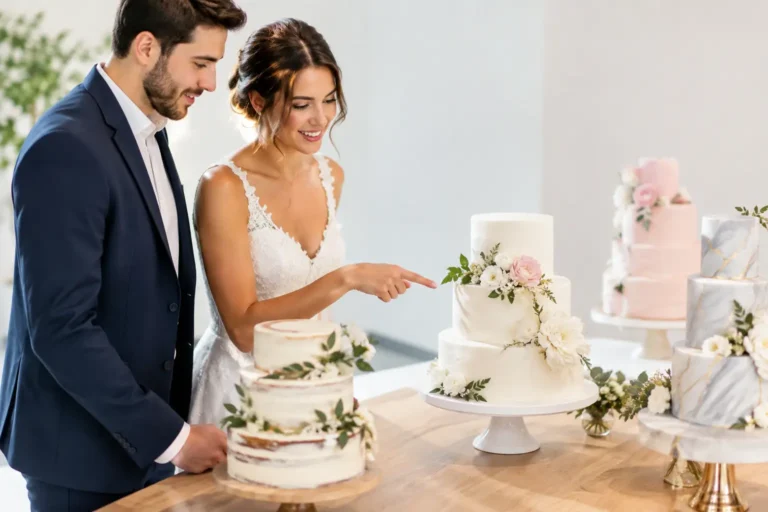
Food is among the most generous forms of personal expression because it is shared. Serve the dish you cook when friends come round, reinterpret a favourite date-night dessert, or begin cocktail hour with the drink you ordered on your first holiday together.
There is a balance to strike. A menu should still suit the season, the venue and the needs of your guests. A beloved winter stew may be perfect for a candlelit November celebration, but less so for a July garden reception. Let memory inform the menu, then allow a talented caterer to shape it for the occasion.
A signature cocktail can be a lovely detail when it genuinely reflects your tastes. Give it a name that feels discreetly personal rather than overly pun-filled, and make the non-alcoholic offering equally considered. Everyone should feel included in the ritual of the toast.
Design tables that invite conversation
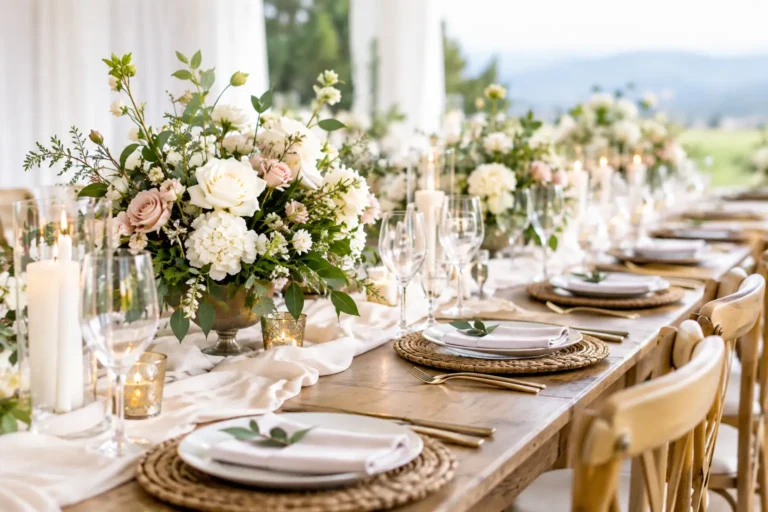
Tables are where a wedding relaxes into itself. Rather than treating them as a styling exercise alone, consider how they will make people feel over several hours. Low, layered arrangements keep sightlines open; tactile linen and candlelight bring intimacy; well-paced courses encourage guests to settle in.
Personal touches might include place cards written in your own hand, menus featuring a short line from a poem, or table names that reference places you have loved together. If using family heirlooms, edit carefully. A handful of silver candlesticks or porcelain pieces creates depth; too many unrelated objects can obscure the calm, cohesive mood.
Make space for your people
The people around you are not simply attendees. They are part of the story. Invite a grandparent to share a blessing, ask a musically gifted friend to perform during the drinks reception, or include a small collection of family wedding photographs in a quiet corner of the venue.
This does not mean giving everyone a role. Too many formal moments can interrupt the natural flow of the day. Choose contributions from loved ones that feel true to them, and protect some parts of the celebration for the two of you alone.
Rethink wedding traditions with care
Tradition can be deeply moving when it has meaning. It can also feel performative when it is included simply because it is expected. You are allowed to keep, adapt or leave behind any ritual that does not suit you.
Perhaps you walk into the ceremony together, share a private first look before guests arrive, or replace a formal first dance with a joyous moment surrounded by everyone you love. The question is not whether a tradition is fashionable. It is whether it adds emotional texture to your day.
Curate the soundtrack, then protect the energy
Music has an extraordinary ability to place us back in a moment. Build your ceremony and reception soundtrack with the same care you would give the flowers. Consider the feeling of each transition: guests arriving, the first sight of the ceremony space, the release after the vows, the dinner settling into evening, and the dance floor coming alive.
Give your musicians or DJ a short list of songs that matter to you, along with a clear sense of what you do not want. Trust their expertise beyond that. A tightly controlled playlist can flatten the spontaneity that makes a party feel alive.
Choose details you will want to keep
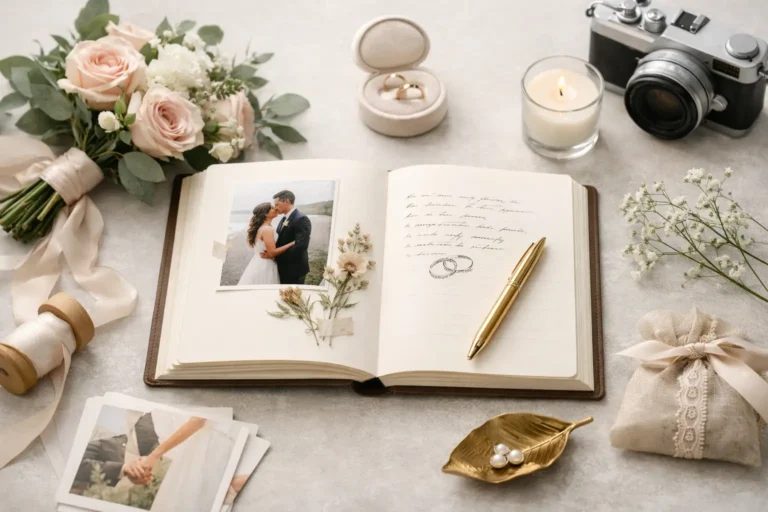
The most lasting personal details are often tactile. Commission a ring box engraved with your wedding date, wear an heirloom tucked into your bouquet, or choose linen napkins that can be used at future dinners at home. These objects become part of your life after the celebration rather than disappearing at the end of the night.
It is worth being selective here. Not every element needs to become a keepsake. Invest in one or two pieces of craftsmanship that feel emotionally resonant, then let the rest be beautiful in the moment.
Plan moments of privacy
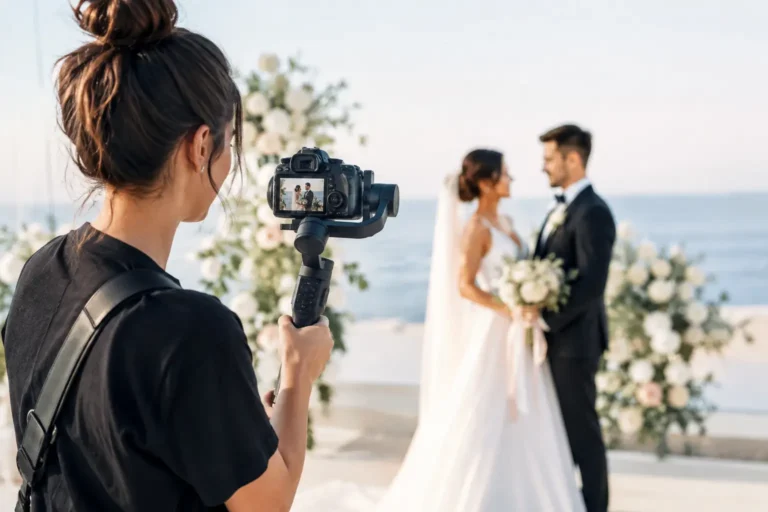
A wedding can pass with astonishing speed. Build in a few pauses that belong only to you: five minutes together after the ceremony, a private supper before rejoining the dance floor, or a short walk at golden hour while your photographer captures the changing light.
These moments are not solely for photographs, although they often create the most natural images. They allow you to absorb the fact that everyone you love has gathered to celebrate your marriage.
The most personal wedding is not one filled with references guests need to decode. It is one where every choice, from the light on the table to the final song, feels gently aligned with who you are together. Let it be luminous, relaxed and recognisably yours.