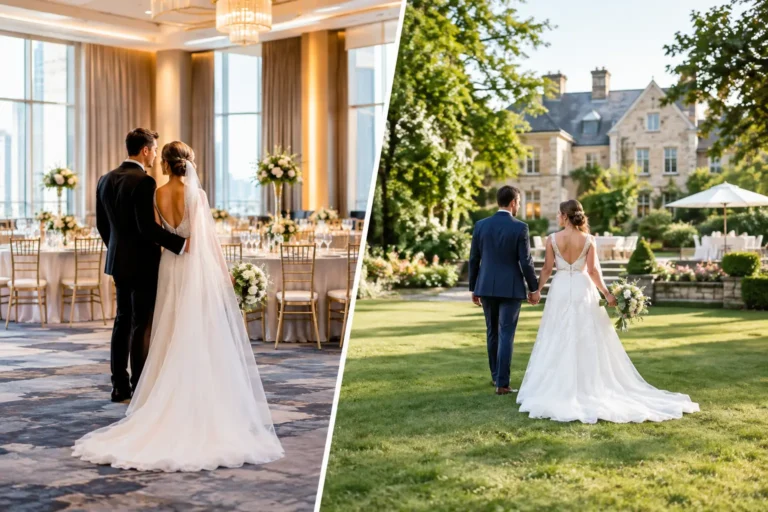
A wedding can be visually impeccable and still feel oddly anonymous. The most compelling 2026 wedding trends answer that tension with a quieter kind of luxury: celebrations shaped around the people, places and rituals that genuinely belong to the couple. Think a ceremony beneath old trees at dusk, a handwritten menu tucked into linen, or one beautifully considered room that changes character as daylight gives way to candlelight.
For couples planning in 2026, the mood is less about pursuing a recognisable look and more about creating an atmosphere guests can feel. There is a renewed appreciation for craft, for a sense of place, and for details that are slightly imperfect in the most human way. The result is refined, romantic and memorable without appearing overworked.
2026 Wedding Trends Are Becoming More Personal
For several years, weddings have been moving away from the expectation that every celebration must follow the same sequence of visual moments. In 2026, that shift becomes more assured. Couples are still drawn to editorial photography and polished styling, but they are asking a better question before they choose anything: does this reflect us?
This may mean a civil ceremony followed by an expansive supper rather than a formal all-day structure. It might be a destination weekend in a place with family history, or a hometown celebration where the menu is built around beloved local ingredients. The most elegant choices are not necessarily the rarest or most expensive. They are the ones that create continuity between your story, your setting and the way you want guests to feel.
There is also a welcome move away from making every second performative. A wedding can have beautiful portraits, a theatrical first dance and a dramatic cake, while still preserving room for private emotion. Consider building a few unobserved pauses into the day: ten minutes together after the ceremony, a quiet morning breakfast, or a short walk before dinner. These are often the moments that stay with you longest.
Tables That Feel Like an Invitation to Linger
The reception table is becoming one of the most expressive spaces in wedding design. Rather than relying on a single centrepiece formula, 2026 favours layered tablescapes with movement and a sense of discovery. Coloured glassware, softly patterned linen, fruit, antique-inspired vessels and hand-finished ceramics bring depth without making the table feel crowded.
The aim is not maximalism for its own sake. A room filled with pattern, flowers and candlelight needs moments of calm to feel graceful. If your venue has ornate plasterwork, painted ceilings or dramatic views, choose a more restrained table palette and let the architecture breathe. In a minimal space, richer linen or a painterly floral scheme can provide the warmth that the room is missing.
Long, family-style tables remain especially appealing because they encourage conversation and create a generous visual rhythm in photographs. Round tables, however, are often better for guest interaction in smaller rooms. The right decision depends on the proportions of the space, not simply the images saved to a mood board.
Fruit, food and florals in conversation
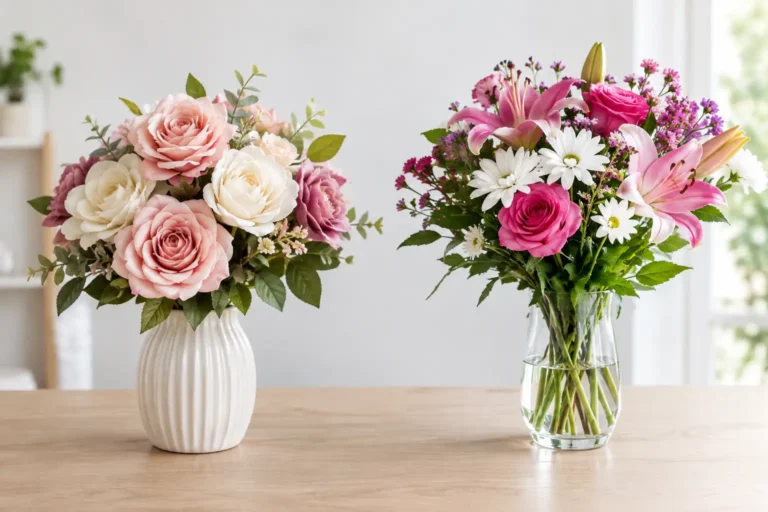
Florals are becoming looser, more seasonal and more textural. Instead of identical arrangements placed at equal intervals, expect compositions that feel gathered from the landscape: flowering branches, delicate meadow flowers, herbs, ripening pears or figs, and arrangements that sit low enough for guests to see one another across the table.
Sculptural floral moments still have their place, particularly at the ceremony or entrance. Yet the most successful designs carry the same botanical language throughout the celebration. A pear on the dinner table can echo the colours in a bridal bouquet; a trailing vine at the bar can quietly recall the ceremony meadow. This gentle repetition is what makes a wedding feel designed rather than decorated.
Fashion with Character, Not Costume
Bridal fashion in 2026 is poised between softness and structure. We are seeing luminous fabrics, fine draping, clean column silhouettes and silk that catches natural light beautifully. At the same time, detachable overskirts, capes, sleeves and veils offer couples the freedom to shift the mood from ceremony to dinner without requiring a wholly different look.
The strongest styling begins with how you want to move. A dramatic train may be perfect for a cathedral, villa staircase or portrait session at golden hour, but it can become a burden for a garden supper. A short second look may suit a late-night party, while a beautifully tailored suit or silk slip dress can feel more appropriate for an intimate registry office ceremony. There is no requirement to change outfits simply because it is a trend.
For grooms and partners, personal tailoring is taking precedence over uniformity. Softly structured jackets, deep brown or olive suiting, silk scarves, considered jewellery and a meaningful watch can create a look with genuine presence. The goal is polish with ease: clothing that looks considered in photographs but feels like the wearer, rather than a character borrowed for the day.
Stationery That Sets the Emotional Tone
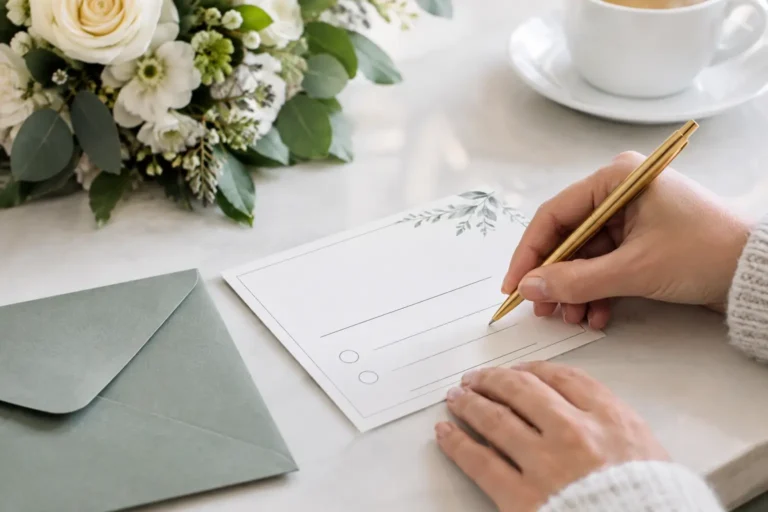
A wedding invitation is no longer treated as a functional announcement alone. It is the first chapter of the celebration, and in 2026 couples are using paper goods to establish a more tactile, intimate atmosphere. Deckled edges, blind embossing, silk ribbon, illustrated maps and carefully chosen typefaces continue to feel timeless because they invite touch as well as attention.
What matters most is consistency. A formal calligraphy suite may be beautiful, but it should make sense for the celebration you are inviting people into. For a coastal wedding in Portugal, a painted tile motif or sun-faded palette might gently introduce the destination. For a city ceremony followed by dinner at a favourite restaurant, elegant typography and a small illustration of the façade could feel more personal than an elaborate crest.
Carry one or two elements through to menus, place cards and signage. Too many motifs can make the design feel fragmented. Repetition, used sparingly, creates the impression that every object belongs to the same story.
Destination Weddings with a Stronger Sense of Place
Destination celebrations remain deeply desirable, but the best are moving beyond the idea of transporting a familiar wedding format to a beautiful backdrop. Couples are looking for locations that offer character beyond the ceremony view: a family-run vineyard, a coastal village, a restored palazzo, or a country house where guests can settle in for the weekend.
This is where local collaboration becomes essential. Serve the food the region does best, work with seasonal flowers, and allow the pace of the place to influence the schedule. A late dinner beneath lemon trees in southern Italy, for instance, may call for a slower transition from aperitivo to supper than a city wedding in London. Rather than fighting that rhythm, make it part of the experience.
Thoughtful hosting is also becoming a defining mark of luxury. Welcome notes, practical transport information, a considered itinerary and a little time for guests to rest make a destination wedding feel generous rather than demanding. Not every event needs an activity, but every guest should understand where to be and feel cared for once they arrive.
The Return of the Meaningful Ceremony
Among the most enduring 2026 wedding trends is a renewed attention to the ceremony itself. Couples are personalising readings, asking loved ones to participate, creating music that builds an emotional arc, and choosing ceremony settings that need very little embellishment. A beautiful view, an old chapel or a candlelit room can carry extraordinary weight when treated with restraint.
Consider the guest experience here as carefully as the visual one. Keep readings concise, ensure the sound is clear, offer shade or blankets where needed, and think about what guests will see from every angle. If you are planning an unplugged ceremony, communicate it warmly and clearly. The intention is not to control the room, but to invite everyone into the moment.
A wedding does not need to include every beautiful idea available to feel complete. Choose the details that speak most clearly of your relationship, give them space to shine, and let the rest fall away. That is where effortless romance begins: not in perfection, but in the confidence to make your celebration an intentional piece of art.