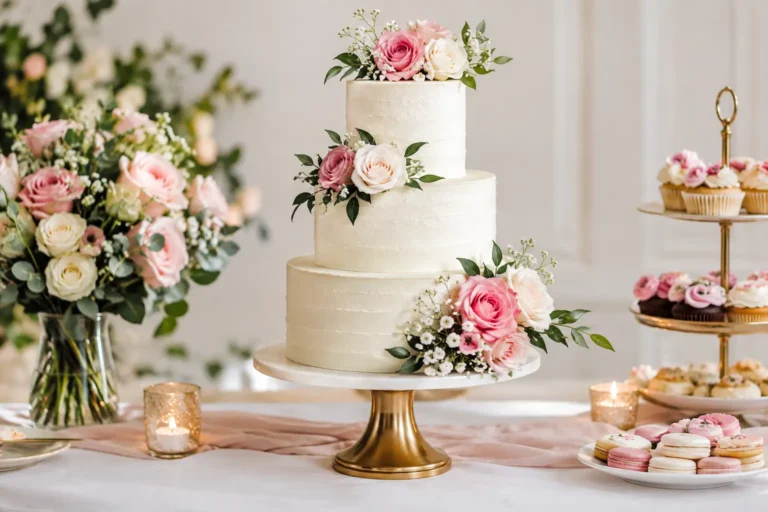
A beautifully considered wedding can still feel unexpectedly unsettled when half the guest list has not replied. Knowing when should guests RSVP is less about chasing a number and more about giving your celebration the breathing room it needs – from the first sketches of your tablescape to the final place card set in calligraphy.
For most weddings, guests should RSVP around four weeks before the celebration. Yet the right deadline depends on where you are gathering, how many people are travelling, and which suppliers need your final figures. A thoughtful RSVP timeline protects the calm, intentional atmosphere you have worked so hard to create.
When should guests RSVP for a wedding?
A clear rule of thumb is to set your RSVP deadline for three to four weeks before a local wedding. This gives you time to follow up with anyone who has not responded, then share dependable final numbers with your caterer, venue and stationery designer.
For a destination wedding, aim for guests to RSVP six to eight weeks before the day itself. While save-the-dates may have been sent much earlier, guests navigating flights, accommodation and childcare often need a little more space to make arrangements. Your venue may also require final guest numbers earlier, particularly if rooms, transfers or a welcome dinner are involved.
The date printed on the invitation should never be the date you personally need the answer. Build in a quiet buffer. If your caterer needs final numbers 14 days before the wedding, an RSVP deadline four weeks before gives you approximately two weeks to gather late replies without making every unanswered card feel urgent.
Begin with the supplier deadlines
The most graceful RSVP date is shaped from the wedding day backwards. Ask your planner, caterer and venue when they require a confirmed headcount, and check whether the figure includes dietary requirements, children’s meals and supplier meals. Then consider the details that rely on that number: menus, escort cards, seating plans, linen quantities, transport, welcome bags and any hosted events across the weekend.
A grand dinner in an Italian villa may require a more generous planning window than an intimate registry-office ceremony followed by lunch at a favourite restaurant. Equally, a multi-day celebration asks more of guests than a single afternoon gathering. There is no need to follow a rigid formula when your plans call for something more tailored.
If you are working with a stationer, give them the final wording and quantities well ahead of time. Place cards and printed menus are small details, but together they create the sense of care guests remember. Leaving them until the final days can make even the most luminous visual concept feel rushed.
A practical timeline for local celebrations
For a UK wedding with mostly local guests, send invitations around eight to 12 weeks before the date, with an RSVP deadline three to four weeks before. If you have already sent save-the-dates, 10 to 12 weeks is usually elegant and sufficient.
The exception is a wedding held near Christmas, during a school holiday, or on a popular bank holiday weekend. In these cases, guests may need to arrange time off, travel or childcare earlier. A save-the-date sent six to 12 months ahead is especially helpful, while the invitation can still retain a clear, sensible RSVP date.
A practical timeline for destination weddings
For a wedding abroad, send save-the-dates eight to 12 months beforehand, ideally once the location and key dates are secure. Invitations generally follow four to six months before the celebration, with RSVPs requested six to eight weeks ahead.
Some couples choose an earlier deadline because they are planning a limited room block or arranging group transport. That can work well, but distinguish between an accommodation decision and the wedding RSVP itself. Asking guests to confirm attendance before they can reasonably book flights may create unnecessary pressure. Where possible, share travel details early and keep the invitation response date realistic.
Make the RSVP feel easy to answer
An RSVP card should feel like an extension of your invitation suite: clear, tactile and quietly personal. It does not need ornate wording to feel special. Guests simply need to understand who is invited, how to respond and by when.
Write the deadline in full rather than relying on a vague phrase such as “kindly reply soon”. “Please reply by 15 May 2027” is warm, direct and difficult to misread. If you are using a wedding website, include the same deadline there and make sure the online form is simple enough to complete in a minute or two.
For a formal paper suite, a pre-addressed and stamped reply envelope remains a lovely gesture, particularly for older relatives or guests who will appreciate the familiar ritual of posting a card. A digital RSVP option can sit alongside it if your guest list is international or you expect travel plans to change. The most refined approach is not necessarily the most traditional one. It is the one that makes responding feel effortless for the people you love.
Do not forget to request dietary requirements on the RSVP itself. If a guest has not yet replied, you can follow up once rather than sending separate messages later. For destination weekends, you may also ask which additional events they plan to attend, such as a welcome aperitivo or farewell brunch. Keep the questions limited to decisions that genuinely affect planning.
Why a short RSVP window can be unkind
It is tempting to set an early deadline because you want certainty. But giving guests only a week or two to respond can feel abrupt, especially for those balancing family commitments, shift work or international travel. A wedding invitation is a joyful request, not an administrative test.
Around four weeks is usually the sweet spot for a local celebration: enough time for guests to consult diaries, but not so much time that the response gets lost beneath everyday life. For destination weddings, a longer period acknowledges that attendance may involve a meaningful financial and logistical decision.
There are occasions when an earlier reply is appropriate. A very small celebration with a restaurant buyout, a wedding on a remote island, or a weekend requiring limited accommodation may need a firmer timeline. The key is to communicate the reason gently and share the practical information guests need before asking for their answer.
How to follow up without losing the romance
Even the most organised guests can forget to reply. Assume it is an oversight before assuming anything else. Start your follow-up one or two days after the deadline, rather than sending reminders too early.
A short personal note is enough: “We would love to know whether we can save you a seat for our celebration. Please let us know by Friday so we can finalise the details.” This is kinder than a group message and far more effective than a passive reminder on social media.
For immediate family or wedding party members, a call can feel more natural than a text. Delegate a few follow-ups if needed, especially where family dynamics are delicate. You do not have to carry every unanswered invitation alone in the final weeks before your wedding.
If someone still does not reply after a clear reminder, it is reasonable to mark them as unable to attend. Caterers, venues and seating plans cannot remain on hold indefinitely. Should they later ask to come, you can respond with warmth while explaining that final arrangements have already been confirmed.
Let your deadline protect the feeling of the day
The RSVP date may seem like a minor line of type, but it holds together much of the celebration behind the scenes. It allows your menu to be considered, your tables to feel balanced, and your welcome to be prepared with genuine ease rather than last-minute compromise.
Set a deadline that honours both your guests’ real lives and the care woven into your plans. Then let the final weeks be reserved for the details that make the day feel like yours: candlelight against stone, a table alive with conversation, and the quiet happiness of seeing every chosen place filled.