A modern wedding journal should feel less like another place to save pretty images and more like a quiet, considered space where your celebration begins to take shape. When every scroll offers another ceremony backdrop, floral palette or tablescape, the real luxury is not more inspiration. It is clarity: knowing which details belong together, which traditions matter to you, and how you want your guests to feel from the first welcome drink to the final dance.
For me, the most memorable weddings are never defined by a single trend. They are remembered through atmosphere: the quality of late-afternoon light across a stone terrace, the weight of handmade paper in a guest’s hand, the scent of seasonal flowers, and the ease in a couple’s faces when the day feels entirely their own. A journal with a modern sensibility helps you recognise these moments and turn them into a coherent creative direction.
What makes a modern wedding journal different?
A traditional wedding planner is often built around tasks, timings and budget lines. Those tools are useful, of course, but they cannot answer the more instinctive questions. Does a silk ribbon feel right for the setting? Should the dinner be formal and candlelit, or long, sun-washed and abundant? How can a celebration in the Cotswolds carry a little of the same romance as a weekend in Provence without becoming a theme?
A modern wedding journal holds both the practical and the poetic. It brings together venue research, visual references, notes from supplier conversations, etiquette decisions and personal memories. It allows you to see your wedding not as a collection of purchases, but as an intentional piece of art shaped around the two of you.
The distinction matters particularly for couples planning destination celebrations or design-led weekends. A beautiful venue is only the beginning. The stationery, fashion, food, florals, music and pace of the day need not match perfectly, but they should feel as though they belong to the same story.
Begin with feeling, not a colour palette
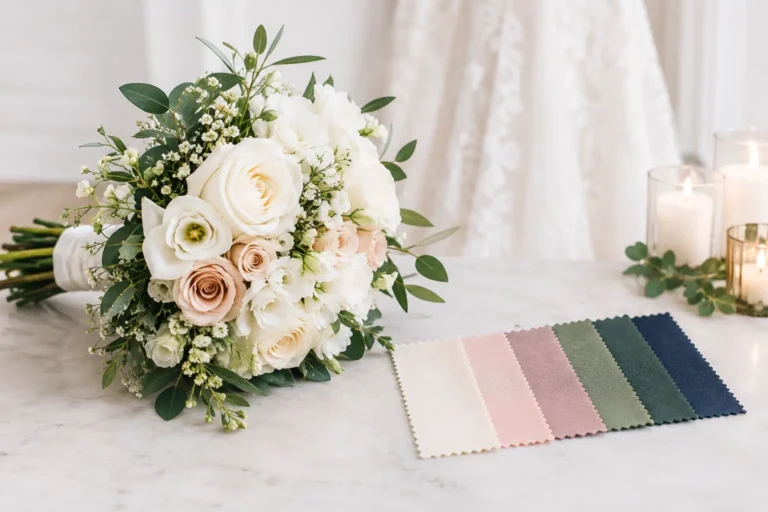
Before choosing shades of linen or saving ten versions of the same bouquet, write down a few words about how you want the celebration to feel. Perhaps yours is intimate, luminous and unhurried. Perhaps it is joyful, sculptural and slightly irreverent. These words are more valuable than a rigid palette because they give every later decision a purpose.
A coastal wedding in Mallorca might be shaped by mineral whites, faded blue shutters, citrus leaves and the soft movement of linen. Yet it could also be warm, glamorous and evening-led, with lacquered black details, gardenias and candlelight. The location is the same; the emotional direction is not. Your journal helps you decide which version is true to your relationship.
Try beginning a page with three prompts: what you want guests to notice, what you want them to feel, and what you want them to remember. Keep your answers sensory and specific. “A beautiful wedding” is broad. “A long dinner under trees where everyone forgets to check the time” offers a far more useful design brief.
Create an edit, not an archive
Pinterest and Instagram are brilliant for discovery, but they can make every aesthetic seem essential. Use them generously at the start, then edit with intention. A reference earns a place in your working journal when you can explain why it speaks to you.
It may be the relaxed posture of the bride, rather than her dress. It may be the contrast between a formal place setting and imperfect garden fruit. It may be the restrained typography on an invitation suite. Adding a short note beside each image turns passive inspiration into a language you can share with your planner, photographer, florist or stationer.
A useful test is to ask whether an image supports your atmosphere or merely reflects what is currently popular. Trend-led details are not inherently wrong. A sharply tailored mini dress, unexpected table fruit or a fashion-forward cake can be delightful. They simply need a point of connection with the wider celebration, otherwise the result can feel restless rather than modern.
Build the modern wedding journal around key scenes
Rather than organising your ideas only by supplier category, consider the wedding as a sequence of scenes. This approach makes it easier to design for emotion and flow, especially across a full weekend.
Start with arrival. Think about the first thing your guests will touch, hear or taste. It might be a welcome note on textured stock, chilled sparkling wine with local herbs, or a lobby arrangement that introduces your floral language. This moment does not need to be elaborate, but it should gently signal that care has gone into their experience.
Then consider the ceremony. Focus on the view your guests will have, the way you will enter, the sound that fills the silence, and the feeling immediately afterwards. A ceremony can be visually minimal and still deeply moving. In fact, a dramatic landscape or historic room often benefits from restraint. Allow architecture, light and the significance of the words to do some of the work.
The reception is where your journal can be especially practical. Gather notes on table shape, chair style, linen texture, candle height, menu format and lighting. These choices are often treated separately, though they are experienced together. A crisp white cloth, silver candlesticks and formal place cards create a different rhythm from raw linen, hand-thrown ceramics and loose seasonal stems. Neither is more refined by default. The right choice depends on your venue, guest count and the degree of formality that feels natural to you.
Finally, give the after-dark celebration its own page. The shift from dinner to dancing is an opportunity to reveal another layer of personality. It might be as simple as changing the lighting and bringing out a favourite late-night dish. Or it might include a second look, a live band, espresso martinis and an exuberant dance floor. The key is to avoid treating this part of the day as an afterthought. The ending is often what guests carry home most vividly.
Let place lead the styling
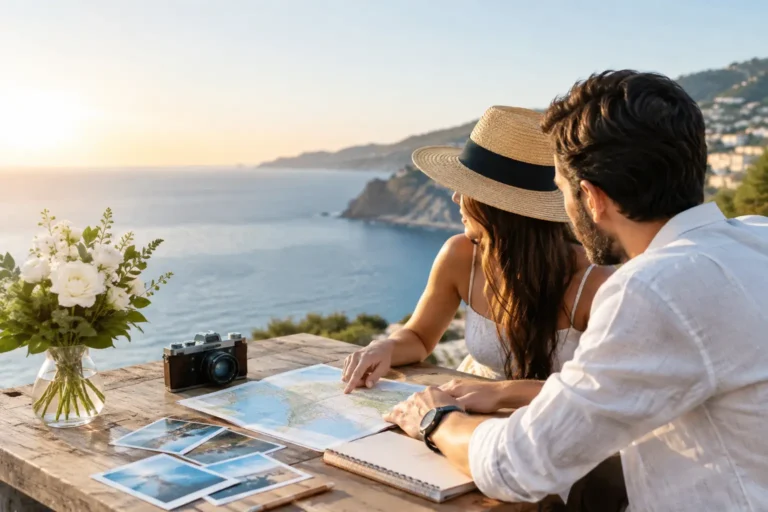
Destination weddings are at their best when they respond to where they are held rather than importing an unrelated aesthetic. A château in France, a London townhouse, a lakeside villa in Italy and a restored barn in the British countryside all offer different materials, proportions and light. Pay attention to what is already beautiful.
This does not mean every Italian celebration needs lemons or every English garden wedding needs wildflowers. It means looking more closely. Perhaps the inspiration comes from worn terracotta, striped awnings, local ceramics, olive-grey foliage or the particular gold of evening sun. These details offer a more nuanced route to place than obvious motifs.
There is a practical benefit, too. Working with seasonal flowers, regional food and the venue’s existing character often creates a more convincing result while reducing the need for excessive décor. If you are marrying abroad, it can also simplify logistics and help local suppliers work at their best.
Make room for the personal details
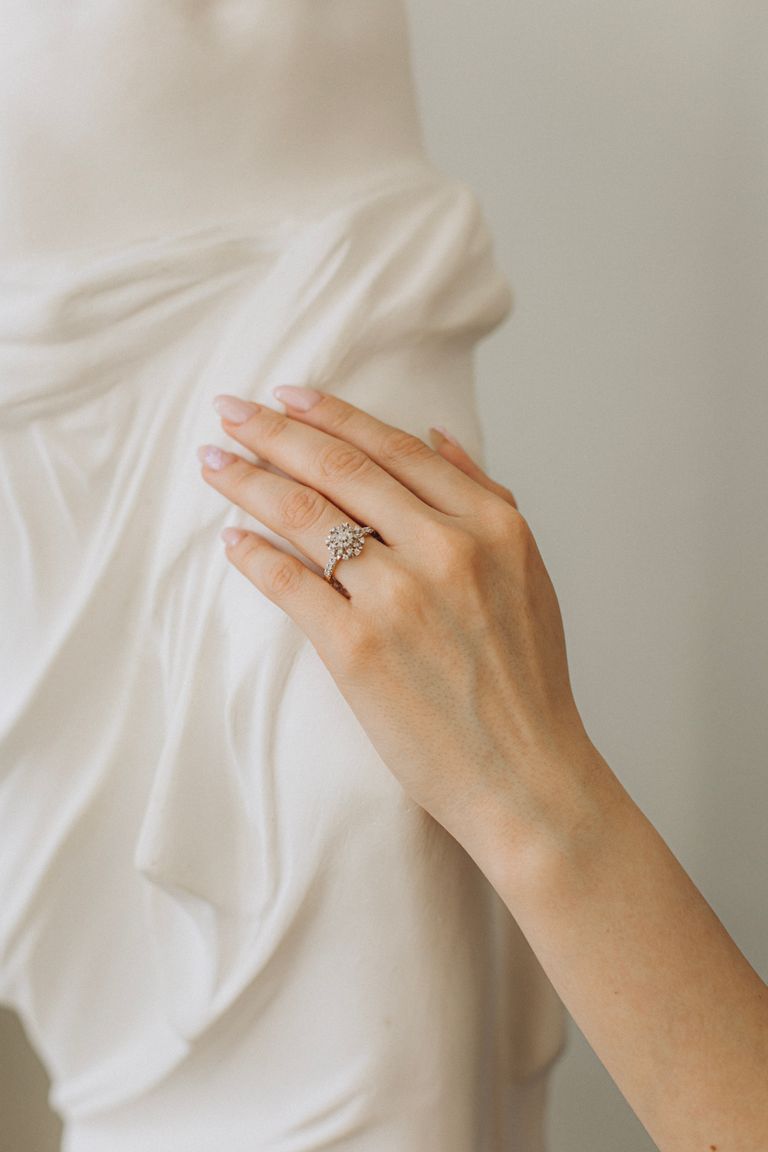
A refined wedding should never become so polished that it loses the couple within it. Your journal is the ideal place to collect the details no moodboard can supply: the song from your first holiday together, a family recipe for the welcome supper, the story behind an heirloom ring, the city where you fell in love, or a line of poetry that feels quietly familiar.
Use these references with a light hand. One meaningful reading may say more than a ceremony filled with explanations. A menu inspired by a beloved shared meal can feel more intimate than a long list of personalised signage. The aim is not to make every element symbolic. It is to create a celebration with a recognisable point of view.
At The Elegant Glow, I return often to the idea that the smallest choices can hold the most atmosphere. A handwritten place card, softened candlelight or an unplanned moment of stillness after the ceremony may not be the loudest feature of the day. Yet these are the details that allow luxury to feel human.
Use your journal to make decisions with confidence
A journal becomes valuable when it helps you choose, not just collect. When faced with two photographers, two floral directions or two venues, return to your original feeling words and key scenes. Which option supports them most naturally? Which one will still feel beautiful when the novelty has passed?
Budget should be part of this conversation, rather than an interruption to it. If photography matters deeply to you, it may be worth simplifying décor. If food and conversation are at the heart of your celebration, invest in a generous dining experience and let the tables remain elegantly restrained. There is no universal formula for a luxury wedding. Thoughtful allocation is what creates impact.
Keep a final section for decisions already made. Note why you chose them, particularly when planning takes place over many months. This protects you from revisiting every choice during moments of doubt and gives your supplier team a clear record of the vision you have built together.
Your wedding journal does not need to be perfect, finished or shared with anyone. Let it be a living record of your taste, your story and the atmosphere you are creating. When choices begin to multiply, return to the pages that feel most like you. They will usually lead you back to a day that is not only beautiful to look at, but wonderful to live.