A wedding can feel extraordinarily luxurious without announcing it at every turn. The most compelling quiet luxury wedding trends are less concerned with labels, spectacle or a crowded palette, and more interested in the sensation guests carry home: candlelight on old stone, the weight of beautiful paper, a perfectly cut silk gown, a dinner table that invites lingering conversation.
This is not minimalism for its own sake, nor is it a rule that everything must be beige. Quiet luxury is a design language of restraint, craftsmanship and confidence. It gives each choice room to breathe, so the celebration feels personal rather than produced.
What quiet luxury means for a wedding
At its heart, quiet luxury is about choosing fewer elements with greater intention. A hand-torn menu on substantial cotton paper may have more presence than a suite crowded with decorative motifs. A beautifully tailored dinner jacket can say more than a novelty dress code. A single variety of seasonal flower, gathered generously in sculptural vessels, can feel more evocative than an overworked mix of blooms.
The effect is layered rather than sparse. Natural materials, graceful proportions and thoughtful pacing create richness in subtle ways. Think linen with a visible weave, antique silver, hand-finished ceramics, champagne-toned silk, aged wood and fruit arranged as though it has just been brought in from the garden.
For couples drawn to editorial imagery, the appeal is obvious: a quieter visual language photographs beautifully. Yet it should not be pursued merely for the photographs. The best version is rooted in how you want the day to feel – unhurried, intimate, warm, sophisticated, joyful.
Quiet luxury wedding trends to bring into your celebration
A venue with genuine character
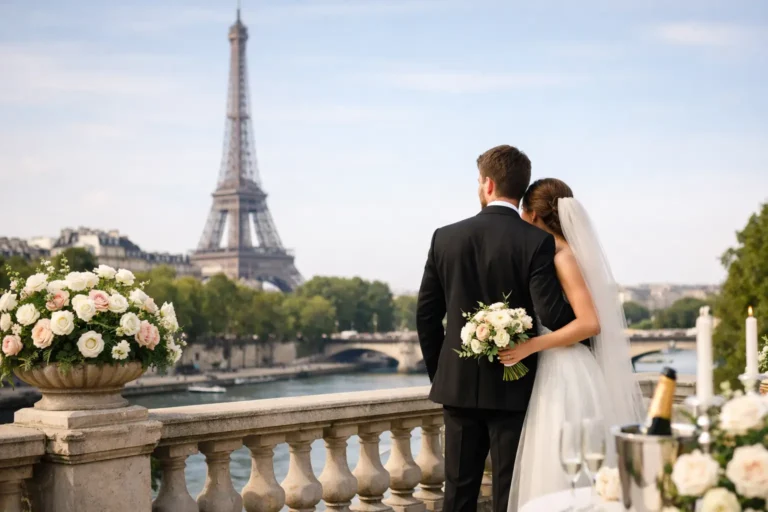
Quiet luxury begins with a setting that already has a point of view. A country house with time-softened plaster, a Parisian-style townhouse, a coastal villa, a private dining room with beautiful panelling or a centuries-old chapel needs less visual intervention than a blank space.
This does not mean every wedding requires a historic estate. The important question is whether the venue offers texture, proportion or atmosphere that you genuinely love. A contemporary gallery with generous light can be just as elegant when its architecture supports the mood you are creating. Choosing a characterful venue often frees more of the budget for guest experience, food and meaningful details.
Tailoring over trend-led fashion
In bridal style, quiet luxury is expressed through fit and fabric. A gown in silk faille, crepe, mikado or delicate lace will always feel considered when it is beautifully altered. Clean lines, a graceful neckline and a veil with proportion can be more memorable than embellishment alone.
The same applies to suits. A well-cut black tuxedo, a midnight-blue dinner jacket or a softly tailored linen suit for a warm-weather celebration will outlast most short-lived style moments. Accessories can remain restrained but personal: heirloom cufflinks, a watch worn for the ceremony, pearl earrings borrowed from a relative, shoes chosen for their shape as much as their comfort.
There is room for drama here, provided it is focused. An architectural sleeve, a cathedral-length veil or a richly coloured velvet jacket can become the one deliberate gesture, rather than competing with five others.
Stationery that sets a measured tone
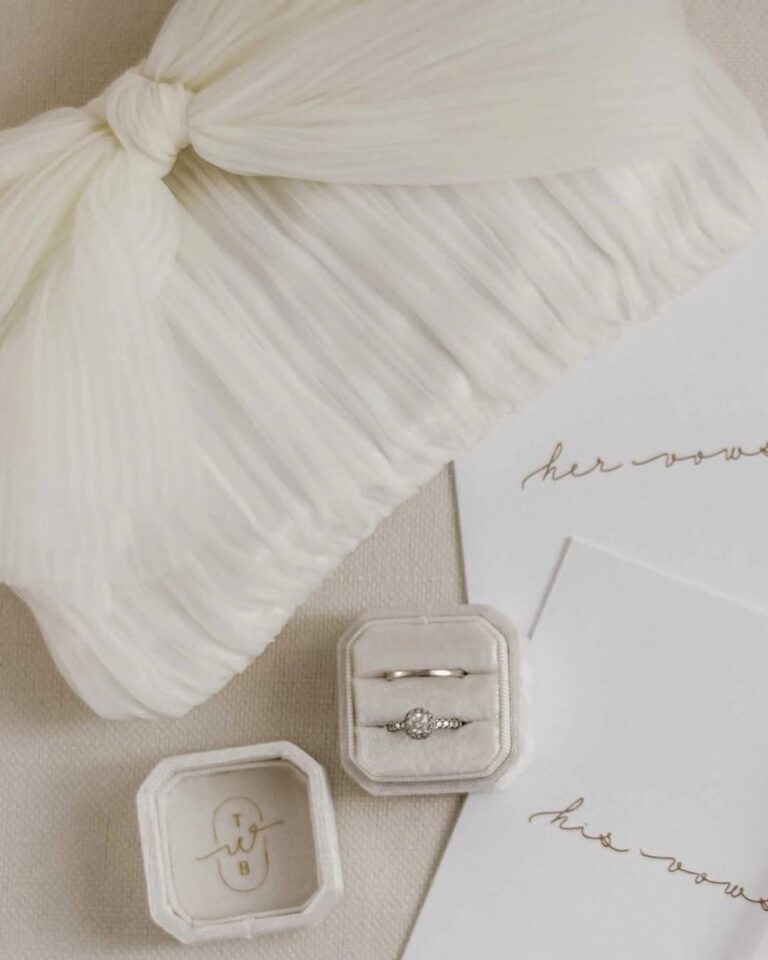
An invitation suite is often the first physical expression of your wedding. Quiet luxury favours excellent materials and typography over excessive ornament. Consider blind embossing, letterpress, painterly edging, wax seals used sparingly, silk ribbon or a monogram designed specifically for the celebration.
Keep the wording clear and the hierarchy calm. A refined typeface, generous spacing and a limited palette will make even a modest suite feel elevated. If your celebration spans several days, carry the same visual thread through welcome notes, menus, place cards and itineraries. Repetition creates cohesion without requiring every piece to be identical.
Flowers with movement and seasonality
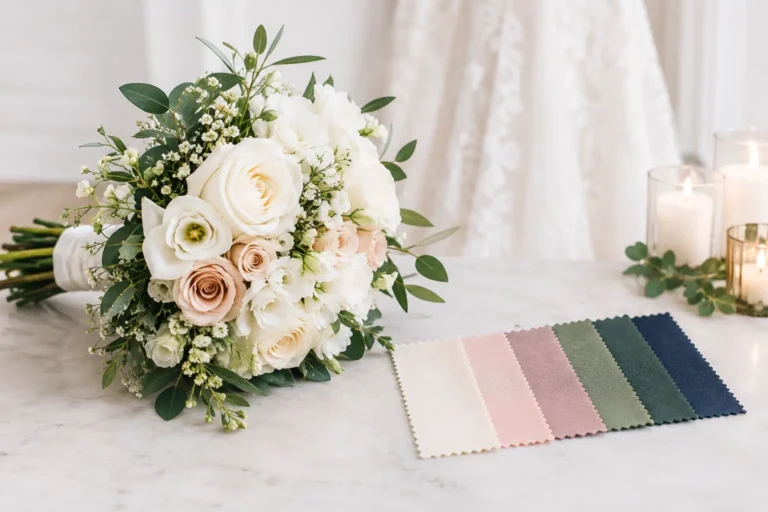
The move away from rigid floral symmetry continues for good reason. Garden-inspired arrangements, branches, flowering fruit, meadow-like stems and one or two hero varieties feel alive and generous. The aim is not to recreate a wild garden indoors, but to allow flowers to retain their natural movement.
For a quiet luxury table, choose a floral direction rather than trying to include every favourite bloom. Cream tulips and quince branches, for example, tell a different story from deep red dahlias with blackberries and taper candles. Both can be luxurious; neither needs to be overloaded.
Seasonality is also a form of refinement. It tends to produce better flowers, a more believable palette and arrangements that belong to the place and time of year. In a destination setting, locally grown foliage and fruit can be more resonant than imported florals flown in to match a saved image.
Tables designed for conversation
A beautiful table should feel inviting before it looks styled. Start with the practical details: enough room for glassware, candles and sharing dishes; chairs guests can sit in for hours; lighting that flatters faces; service paced to protect the atmosphere.
Layer texture through linen, ceramics, glass and metal rather than relying on a single statement centrepiece. Softly crumpled linen napkins, hand-thrown plates, slim taper candles and small vessels placed at varied heights can create a table that feels collected over time. A formal white cloth can be equally striking when paired with antique silver and unfussy flowers.
Avoid treating every place setting as a still life. If menus, favours and elaborate chargers make the table feel crowded, edit. Luxury is often the relief of having exactly what is needed and nothing obstructing the evening.
A slower, more personal rhythm
Some of the most meaningful quiet luxury wedding trends are not visual at all. Couples are allowing the day to unfold with more ease: a first look that creates breathing room, a long aperitivo between ceremony and dinner, fewer formal interruptions, a considered late-night snack, time set aside for portraits without disappearing from the party.
An intimate guest list supports this beautifully, but a larger wedding can still feel personal. The difference lies in intention. Welcome each table with a few genuine words. Serve food that reflects your shared travels or family traditions. Choose music that changes the mood of each chapter rather than treating the playlist as background noise.
A live string quartet at the ceremony, a jazz trio during cocktails or a band with a warm, unforced sound can create atmosphere without turning every moment into a performance. The goal is emotional texture, not constant stimulation.
Where restraint can go wrong
Quiet luxury can become impersonal when it is interpreted as a set of approved neutral objects. A wedding should not look as though it could belong to anybody. If your relationship is full of colour, humour, music or cultural tradition, those qualities deserve a place in the design.
The answer is not to abandon refinement. It is to choose where personality enters. Perhaps it is a vivid bouquet against an otherwise pale tablescape, a family recipe served at dinner, illustrated place cards, an after-party with a favourite local DJ, or a ceremony reading that makes everyone laugh. A restrained foundation gives these choices more impact.
Budget also matters. Quiet luxury is sometimes mistaken for a reason to spend heavily on every detail. It is more useful as an editing principle. Invest where guests can feel the difference: excellent food and wine, thoughtful hospitality, lighting, flowers with a clear point of view, and clothing that makes you feel entirely yourself. Let less visible details be simpler when necessary.
Creating a wedding that feels like you
Before making another purchase, describe your ideal celebration in a few sensory phrases. Perhaps it is candlelit and spirited, sun-warmed and Mediterranean, or formal but deeply relaxed. Those words become a useful filter when an option is beautiful but does not belong to your story.
Quiet luxury is not about making your wedding quieter in spirit. It is about letting the right details speak clearly: the texture of the paper in your hands, the familiar voices around the table, the light falling across the dance floor. When each element has a reason to be there, the celebration becomes its own intentional piece of art.